

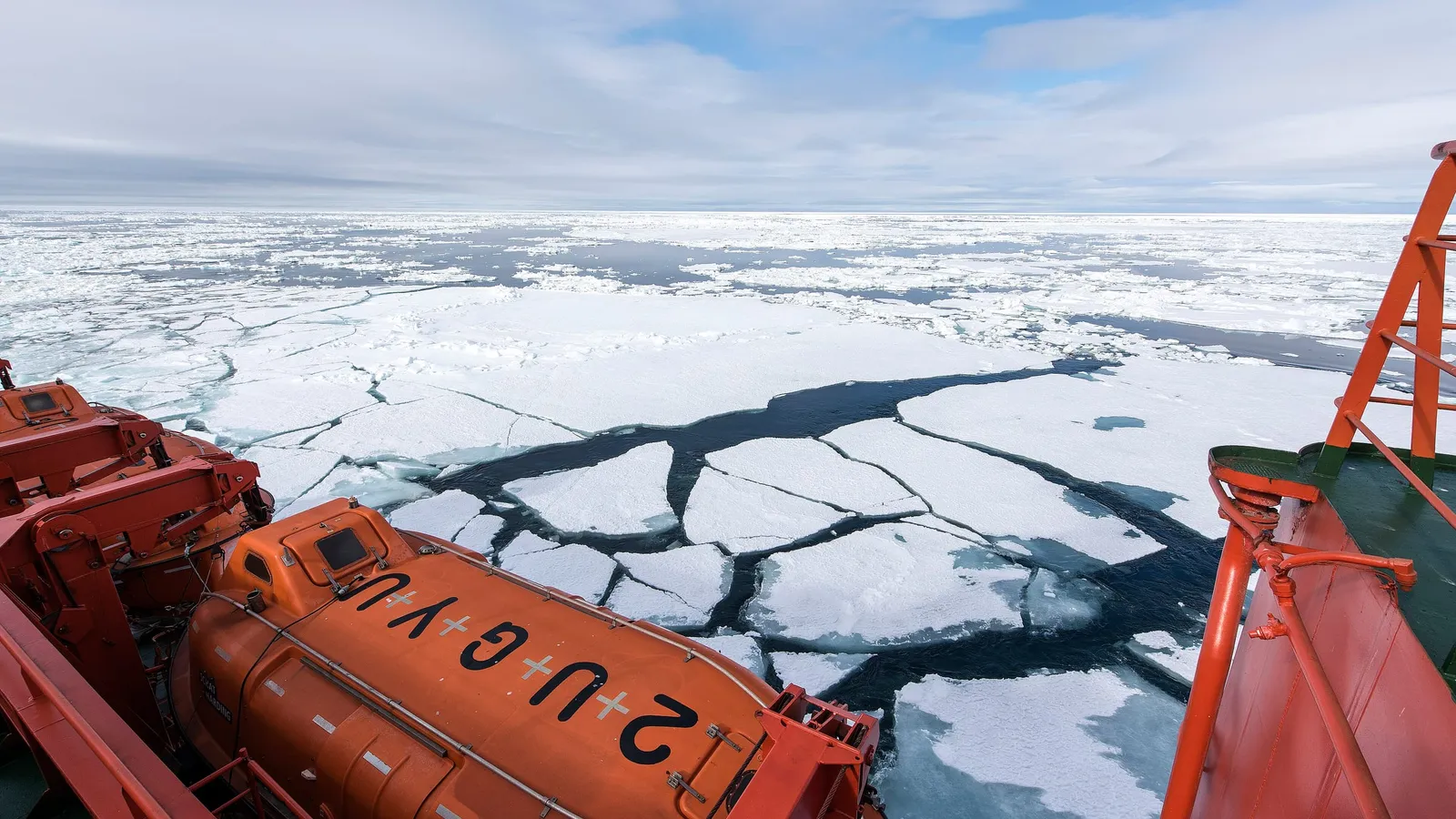
Filmed on the front line of the Arctic's new shipping race
Our documentary crew spent three weeks aboard an escort icebreaker as cargo traffic, coastguard patrols and insurers all test how far north a summer season can now stretch.
Summits, borders and the slow work of diplomacy, reported from where it happens. 11 stories filed under world, newest first. Page 1 of 2.
Our documentary crew spent three weeks aboard an escort icebreaker as cargo traffic, coastguard patrols and insurers all test how far north a summer season can now stretch.
Donor governments pledged a first capitalisation of eleven billion dollars, but delegates left without agreeing who decides which projects qualify or how quickly the money must flow.
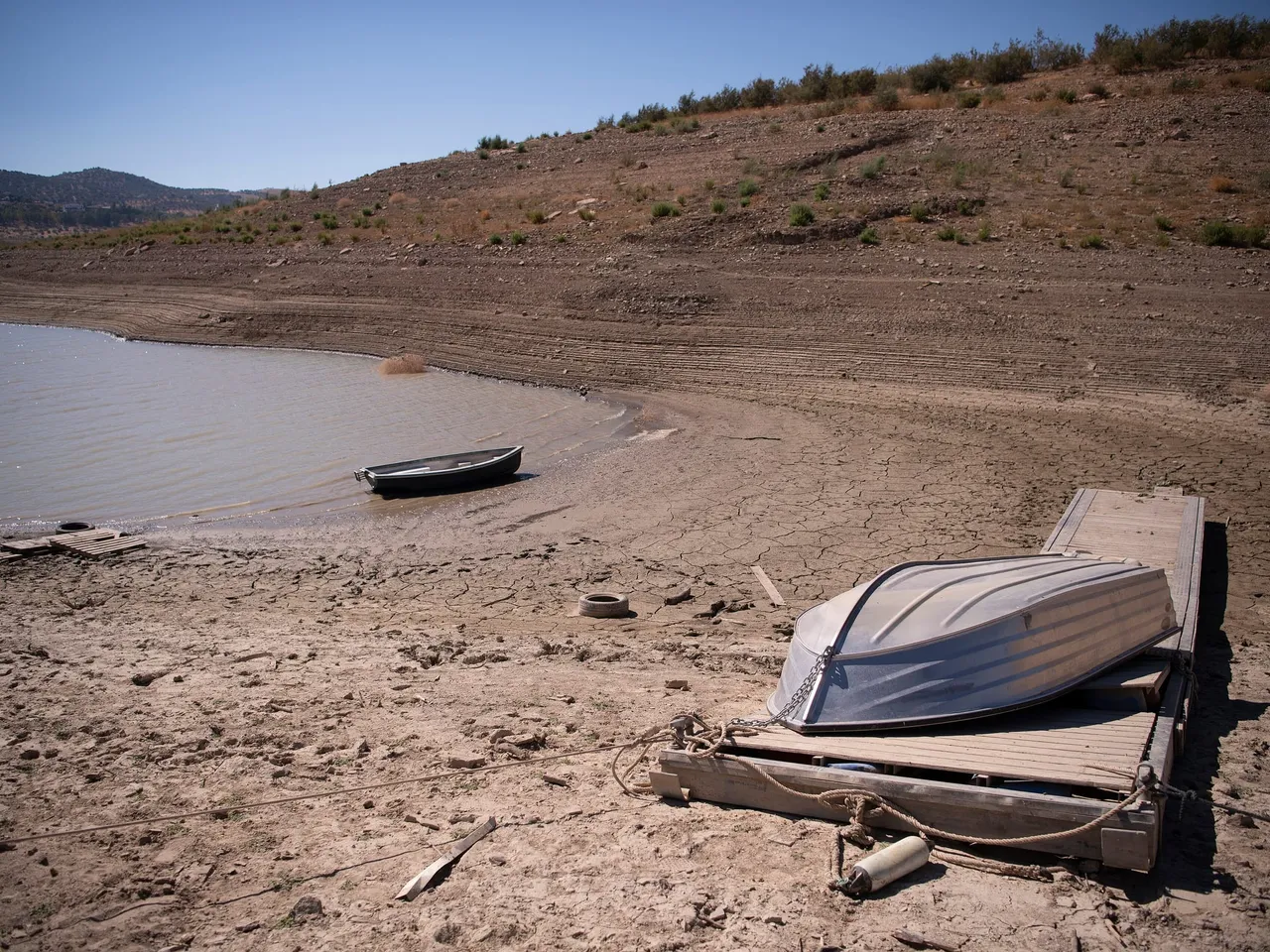
After a third failed rainy season, upstream and downstream governments agreed to pool reservoir data and cut abstraction by a fixed share, breaking a twenty-year deadlock.
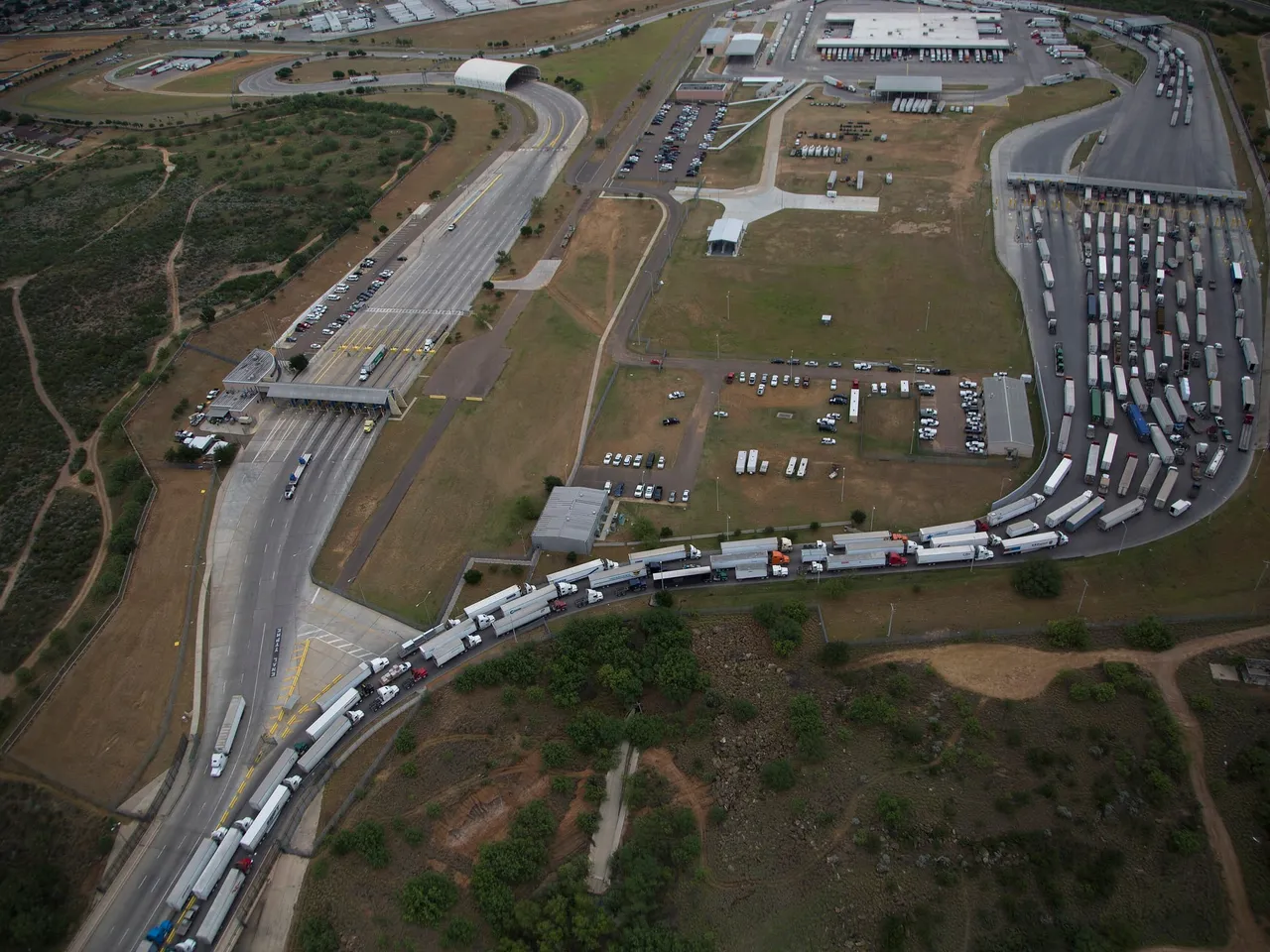
A new inspection regime has added eleven minutes to every lorry's crossing time, and freight operators on both sides are rebuilding schedules around queues they once treated as exceptional.
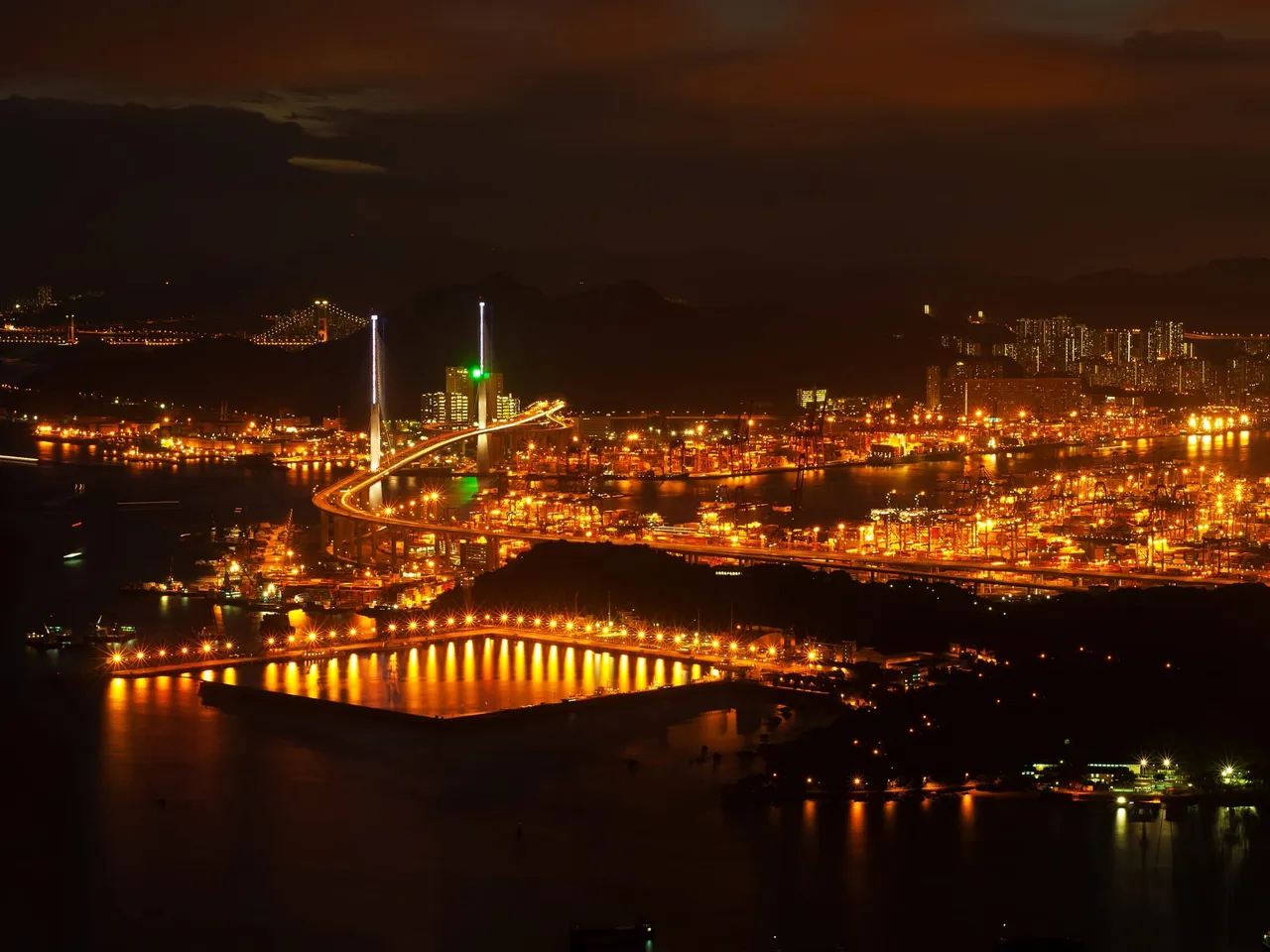
Negotiators published every draft chapter within forty-eight hours of each round, which built public trust in the agreement and also made several late concessions politically impossible.
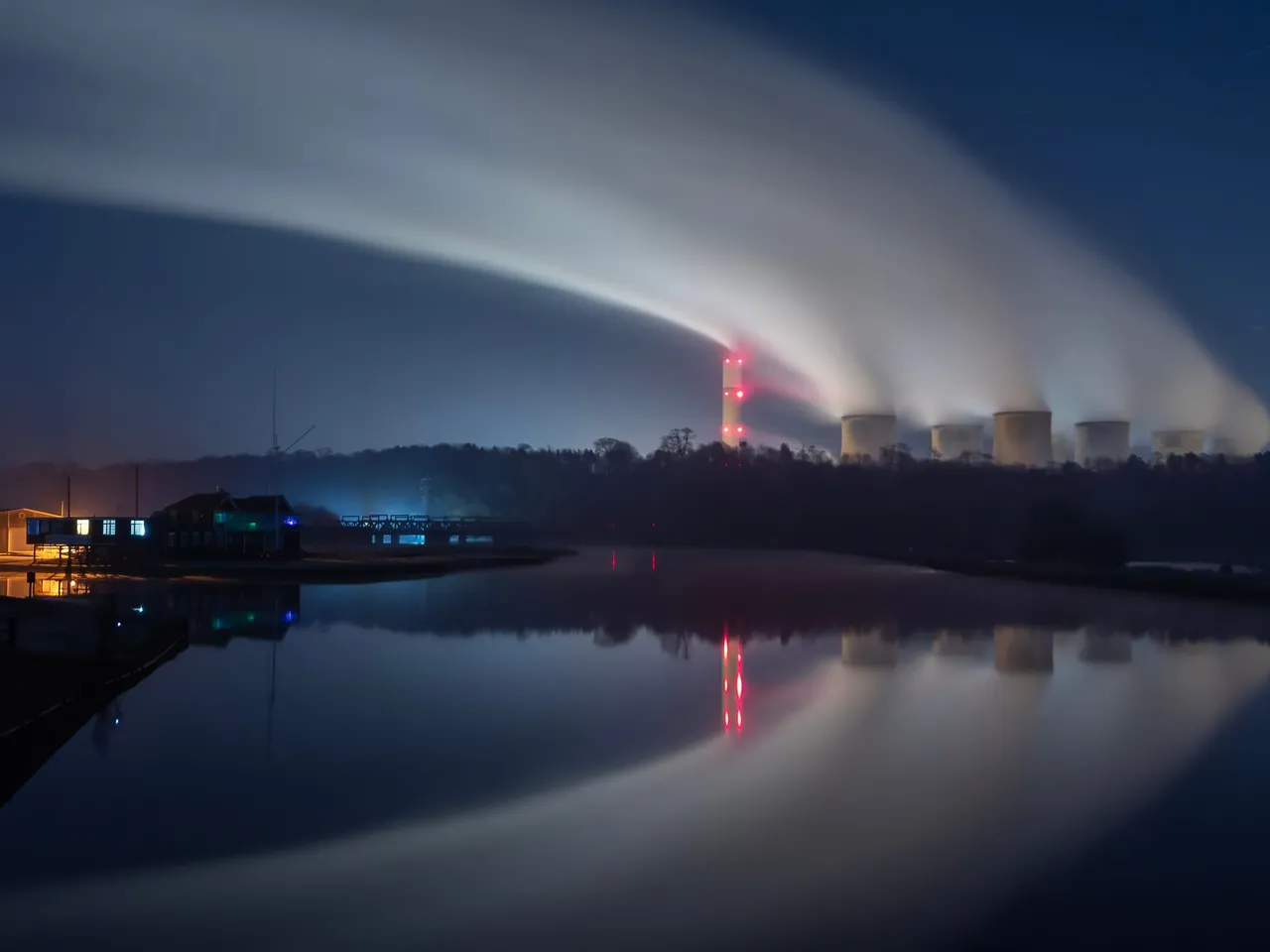
Storage targets, a shared demand-reduction pledge and an emergency gas-sharing mechanism were agreed after a fourteen-hour session that left the hardest question, who pays, for autumn.

Earlier summer holidays, dawn timetables and shortened exam seasons are becoming standard as education ministries treat extreme heat as a fixed feature of the school year.
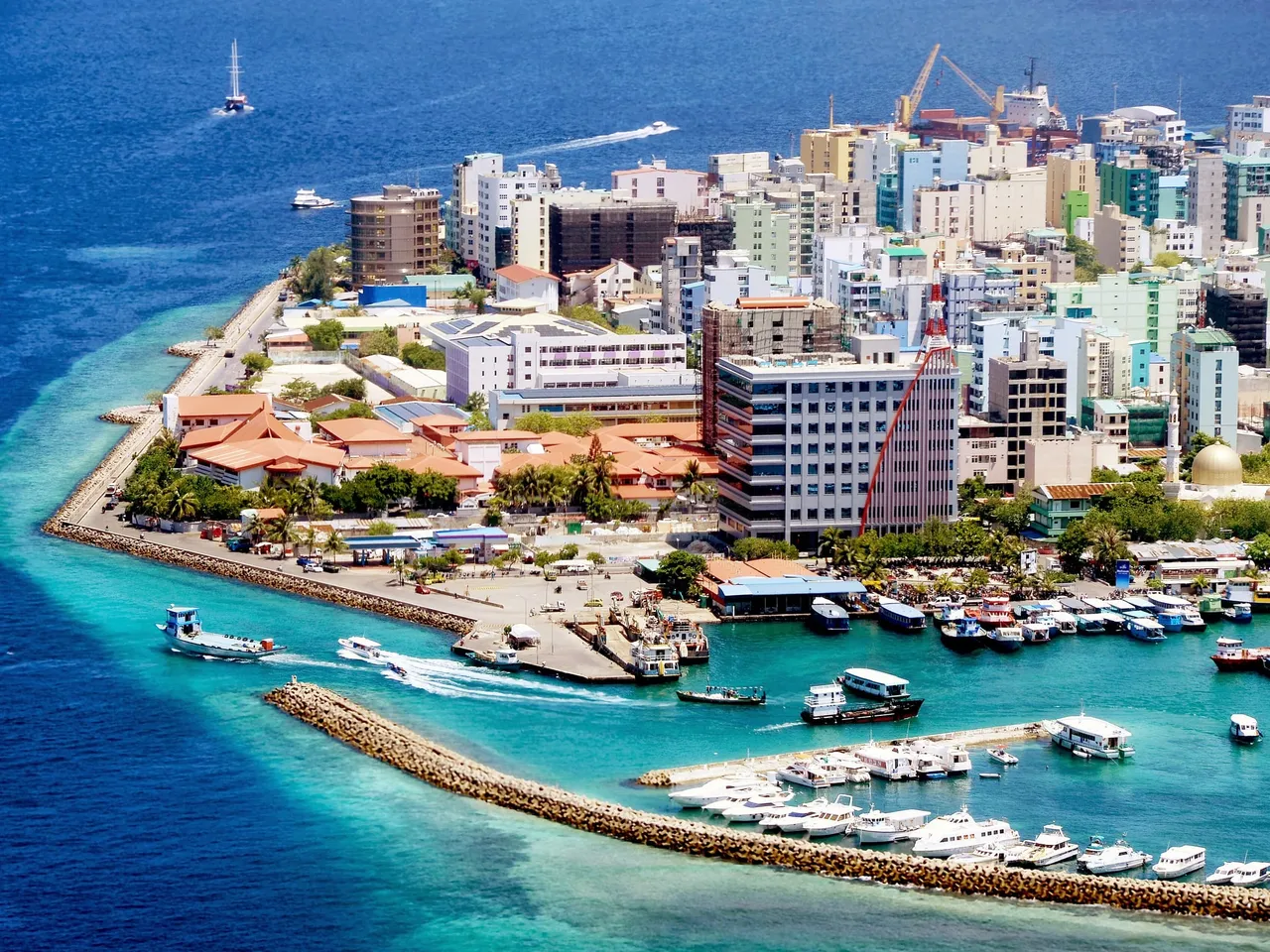
A bloc of low-lying nations with a tiny share of global emissions has learned to shape agendas through coordination, legal pressure and a seat on every drafting committee.
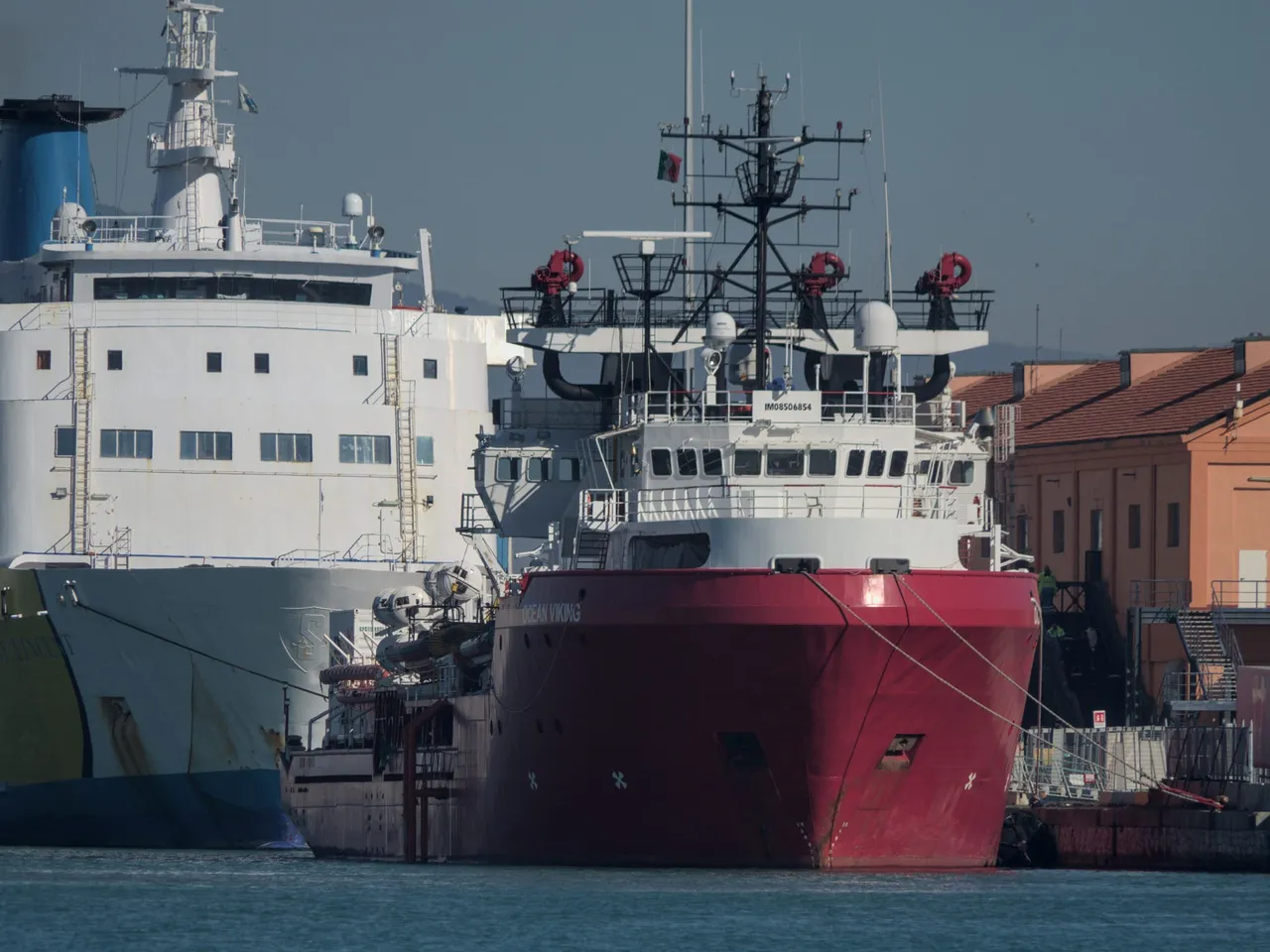
A summer rise in sea crossings is the first real test of the new relocation mechanism, and frontline states say pledged places are arriving far more slowly than people.
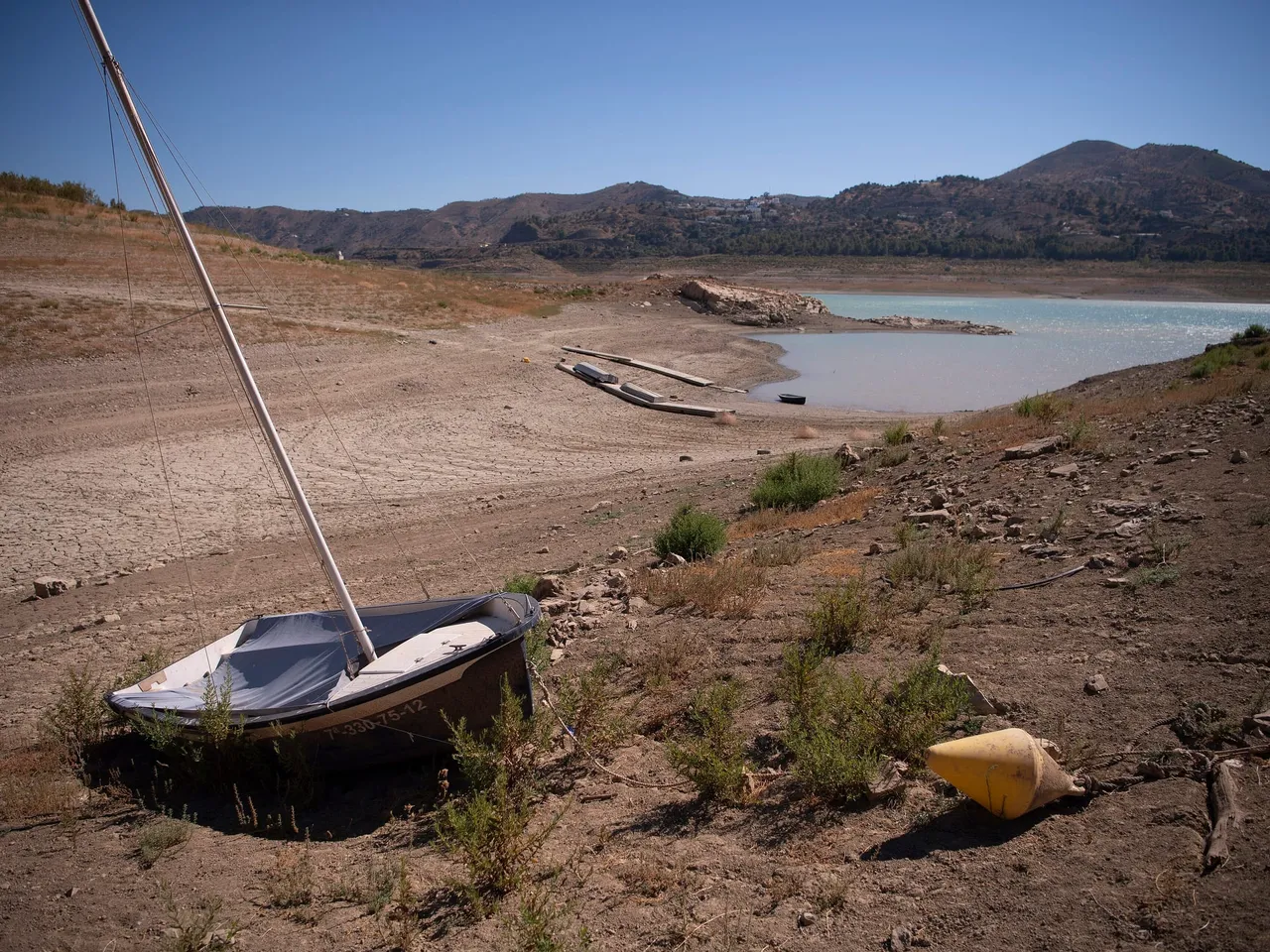
With reservoirs below a third of capacity after a second dry winter, the regional authority has reimposed household limits, reviving a dispute over whether farms and industry share the burden.