


Water rationing returns, and with it an old argument about who pays
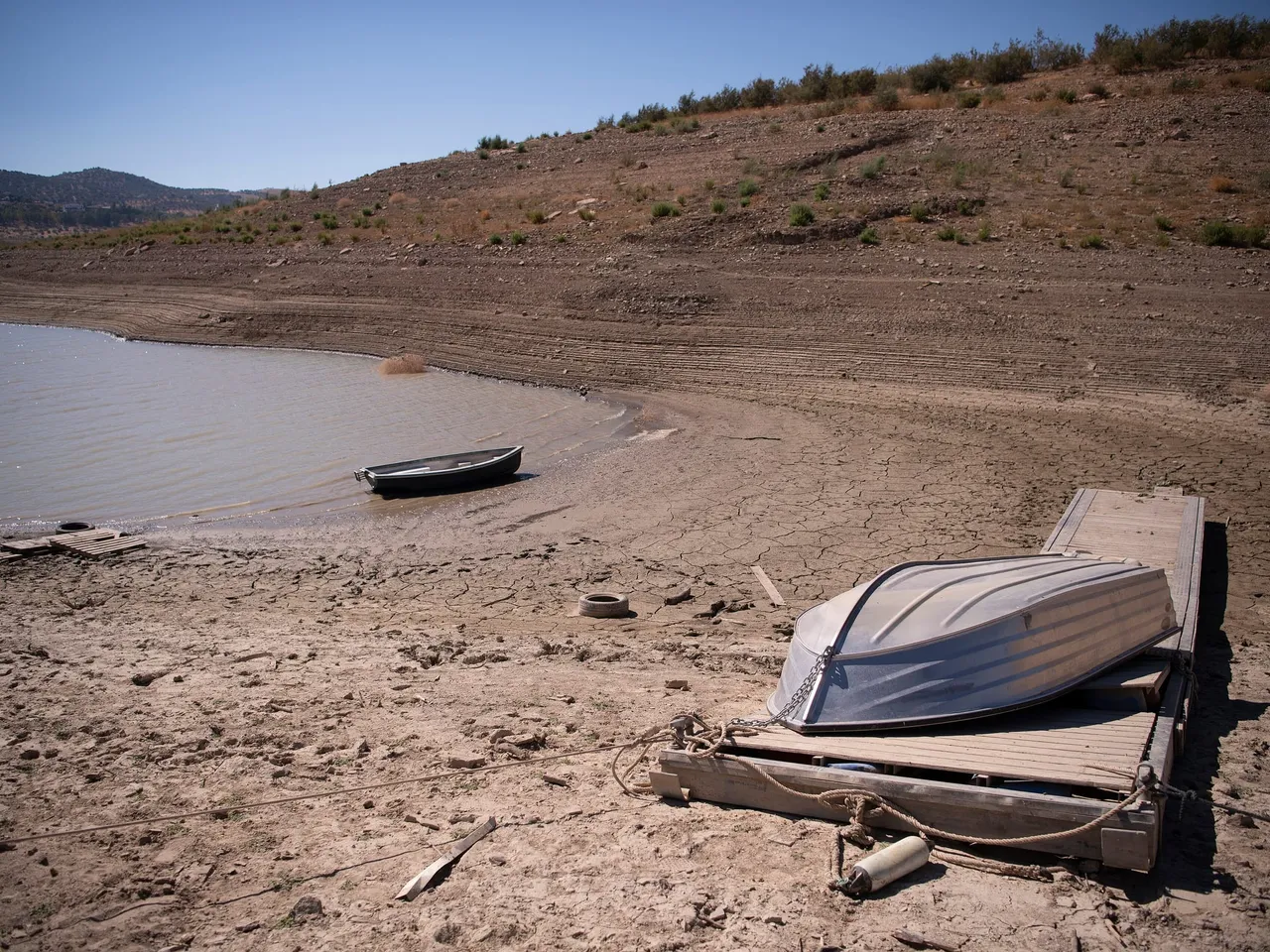
With reservoirs below a third of capacity after a second dry winter, the regional authority has reimposed household limits, reviving a dispute over whether farms and industry share the burden.

2 min read
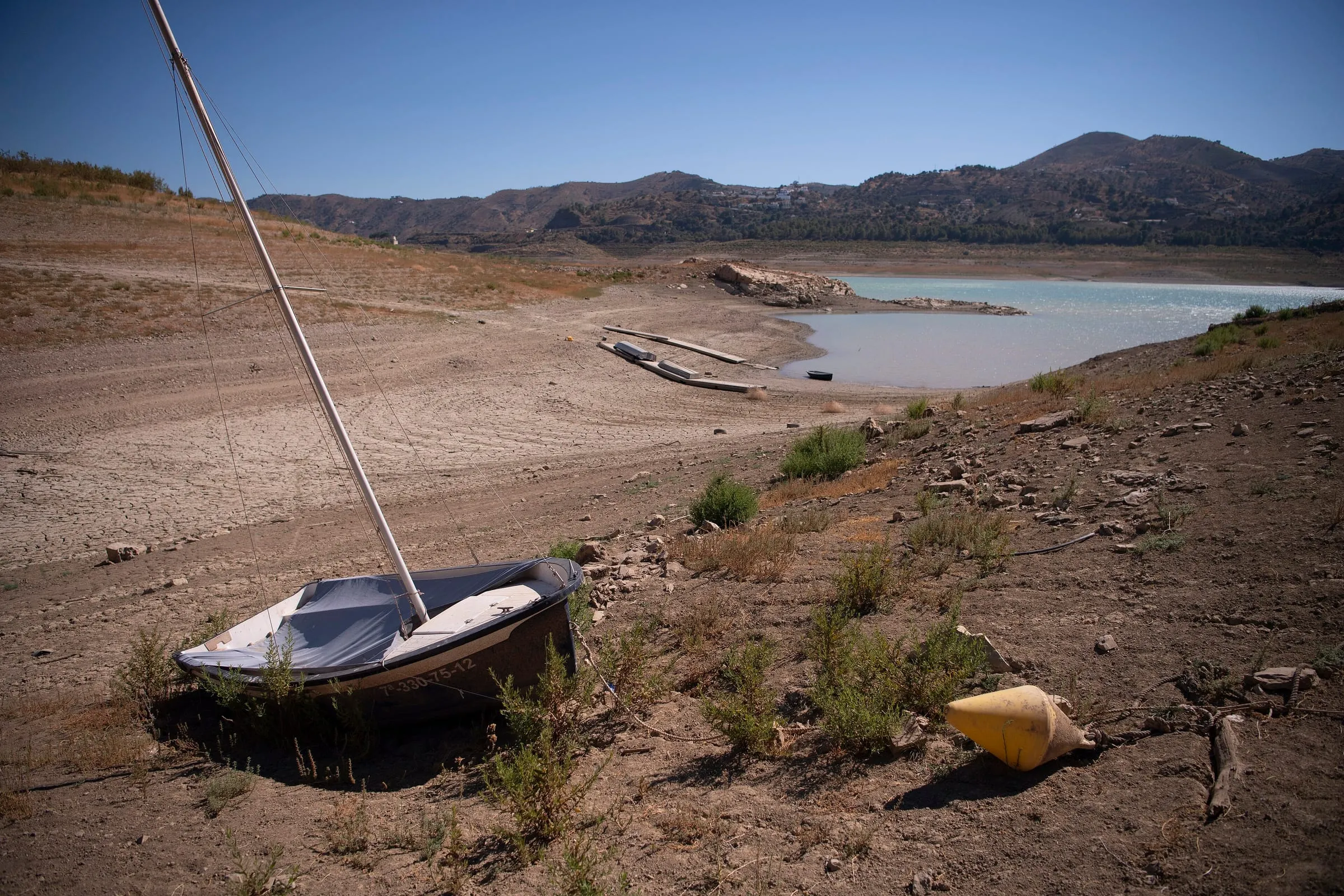
For the second time in six years, households across the southern basin will wake on Monday to find their daily allowance cut. The regional water authority has set a limit of 90 litres per person, enforced through pressure management and steep tariffs above that threshold, after its main reservoirs fell to 31 per cent of capacity at the end of a second consecutive dry winter.
The measures themselves are familiar. What has changed is the politics around them. Residents who complied with the last round of restrictions, and saw their bills rise as a result, are now asking why the heaviest users of water appear to be asked for less.
What the limits mean
Under the emergency order, the authority can:
- cap household consumption at 90 litres per person per day, with penalty tariffs above that level;
- reduce allocations to irrigated agriculture by 20 per cent for the season;
- suspend permits for new industrial abstraction until reservoirs recover above half capacity.
Farmers point out that the agricultural cut is smaller in percentage terms than the one imposed on homes, but larger in absolute volume. Irrigation accounts for roughly two thirds of the basin’s water use.
The old argument
At the heart of the dispute is the tariff system. Households pay a rising price per cubic metre; farms with historic licences pay a flat fee set decades ago. During the last drought those licences were left untouched, and a parliamentary inquiry later found that urban customers had absorbed most of the cost of emergency pipelines and desalination contracts.
Consumer groups want that to change this time. Farm unions argue that higher prices would push smaller growers out of business and raise food costs for the same households now being asked to save. A senior official at the authority, speaking privately, described the bind.
Every litre we save in a kitchen is a litre someone in the fields says they need more.
The infrastructure gap
Beyond rationing, the longer-term plan rests on three projects: a groundwater scheme on the coastal aquifer, a wastewater recycling plant, and a modest desalination facility. All three are behind schedule. The recycling plant, promised after the last crisis, is still awaiting environmental approval, and the finance ministry has not yet confirmed whether it will guarantee the borrowing.
What happens next
The emergency order runs for ninety days and must be renewed by the regional assembly, which is due to debate the tariff structure next month. Forecasters give only modest odds of above-average rainfall before spring. If the reservoirs fall below a quarter, the authority’s contingency plan allows for rotating supply cuts by district, a step it has never taken and would prefer not to test.