


Drought pushes three neighbouring states into a rare water-sharing pact
After a third failed rainy season, upstream and downstream governments agreed to pool reservoir data and cut abstraction by a fixed share, breaking a twenty-year deadlock.

2 min read
Water ministers from three states sharing a single river basin signed an emergency allocation agreement on Wednesday, the first time in more than twenty years that all three governments have accepted a common rule for dividing the river in a dry year.
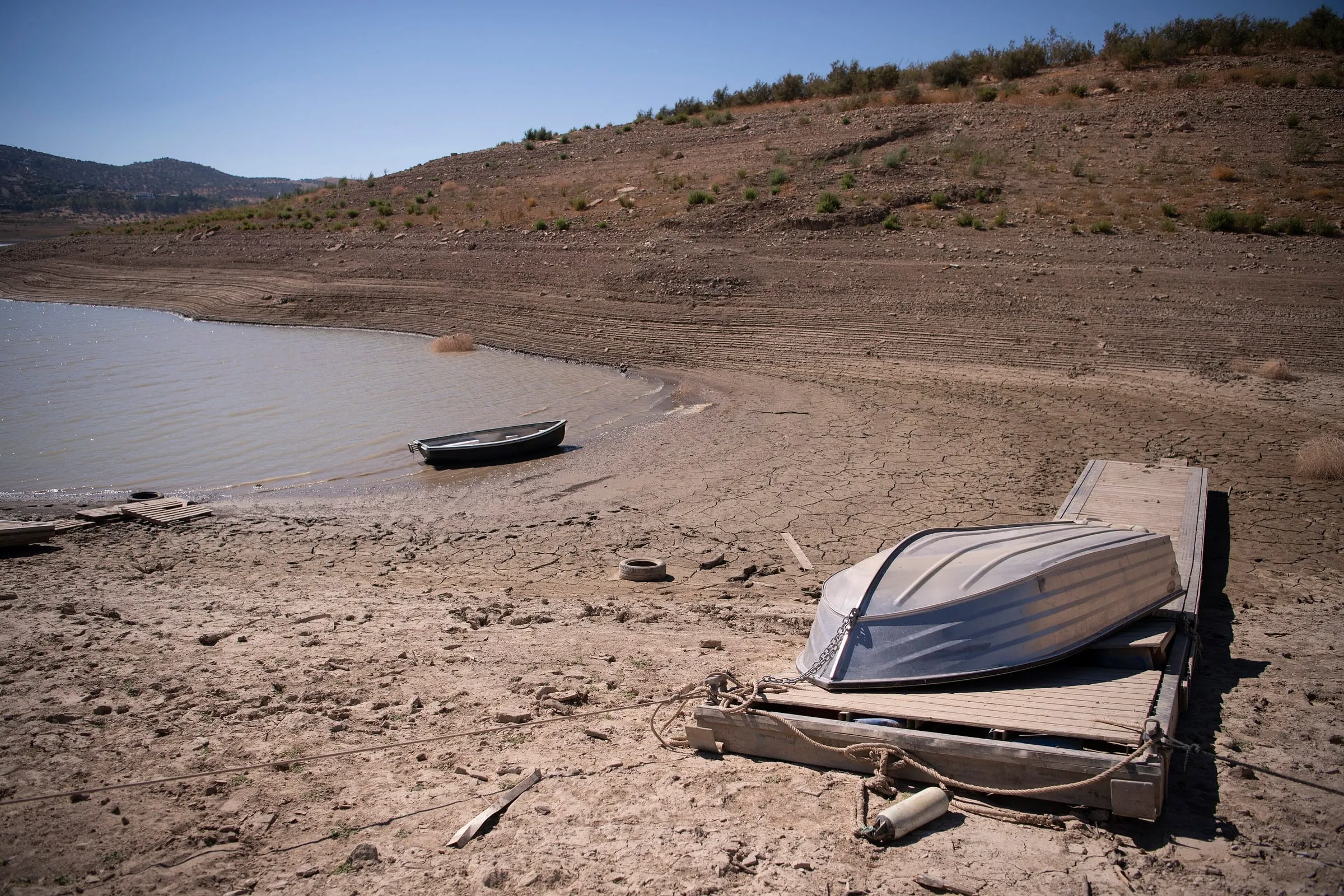
The pact follows a third consecutive failed rainy season. The basin’s largest reservoir is at nineteen per cent of capacity, irrigation canals in the downstream delta have been closed since May, and two cities on the middle reaches have introduced rationing for households.
What was agreed
The agreement is short, deliberately so, and runs for eighteen months. Its core terms are:
- each state will cut its abstraction from the river by the same percentage whenever the main reservoir falls below thirty per cent;
- reservoir levels, river flows and dam releases will be published daily on a shared platform, with independent gauging stations at each border;
- a joint commission will meet monthly and can order emergency releases to protect drinking-water supply downstream.
None of the three governments gave up its broader legal claims to the river. The text says explicitly that it is without prejudice to those positions, which is the main reason it could be signed at all.
Why now
For two decades the basin’s politics were frozen. The upstream state, which built the main dam, argued that it had paid for the storage and should control it. The downstream states pointed to historic usage and to treaties that predate the dam. Each dry spell produced accusations and little else.
This time the scale of the shortage changed the calculation. Farmers in all three states lost most of the spring harvest, and the upstream government faced protests from its own irrigators when it tried to hold water back for hydropower. A diplomat involved in the talks described the shift.
Nobody changed their mind about who owns the river. They simply ran out of river to argue about.
The weak points
Hydrologists welcome the data-sharing commitment, which they describe as more valuable than the cuts themselves. They are less confident about enforcement. The commission has no power to sanction a state that exceeds its allocation, and illegal pumping by private farms is widespread throughout the basin.
There is also the question of what happens if the rains return. Officials on all sides acknowledge that a wet season next year could remove the pressure that produced the deal.
What happens next
Technical teams are due to install the new border gauging stations by September. The commission’s first monthly report, expected in August, will be the earliest test of whether the published figures match what farmers and city utilities see on the ground.