
Filmed on the front line of the Arctic's new shipping race
Our documentary crew spent three weeks aboard an escort icebreaker as cargo traffic, coastguard patrols and insurers all test how far north a summer season can now stretch.

2 min read
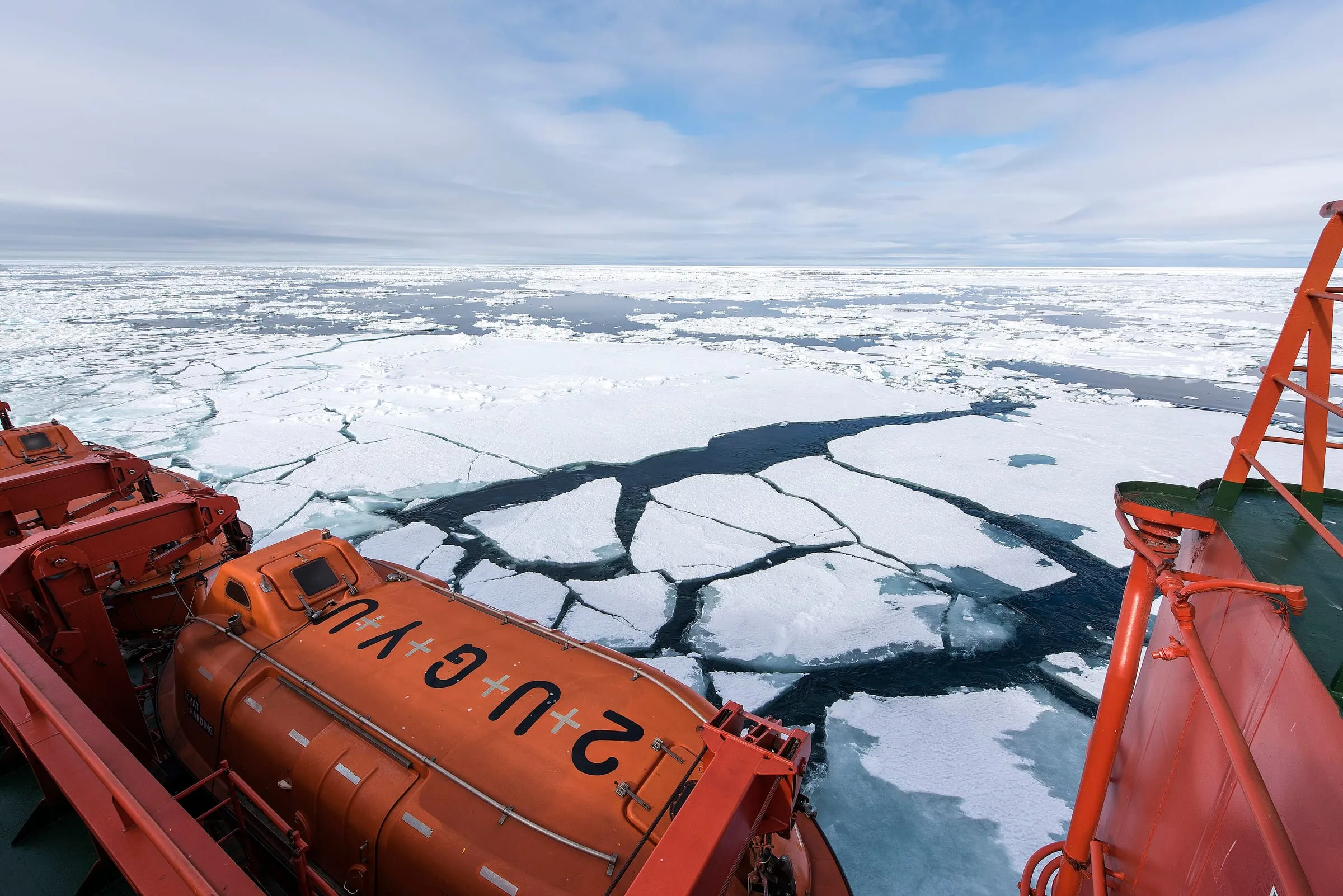
The ice opens later than the charts promise and closes earlier than the shipping schedules assume. Between those two dates sits a corridor that governments now describe as strategic, insurers describe as experimental, and the crews who sail it describe, mostly, as long.
The short documentary that accompanies this piece was filmed over three weeks aboard an escort icebreaker working the northern route at the height of the summer season. What follows is the context the camera could only partly show: who is moving through these waters, who is watching, and what remains unsettled.
A season that keeps stretching
Ten years ago the navigable window was measured in weeks. This year the escort fleet logged its first convoy in early July and expects to work into November. That extra month has changed the arithmetic for bulk carriers and liquefied gas tankers, which can now plan two round trips where they once managed one.
The savings are real but uneven. A northern passage between the large ports of Asia and northern Europe can cut the distance by close to a third. It also requires ice-class hulls, escort fees, specialist crews and a tolerance for delay that container lines, built around fixed weekly schedules, have so far been unwilling to accept.
Who is watching
The traffic has brought company. Coastguard and naval vessels from several states now patrol waters that saw few visitors a generation ago, and survey ships map the seabed with an interest that is not only scientific. Our crew filmed two patrol vessels shadowing a convoy for most of a day without making radio contact.
A senior maritime official in one of the coastal states described the mood bluntly.
Everyone says this is about trade. Nobody sends a frigate to watch a timetable.
The legal position adds to the friction. Coastal states claim the right to regulate passage through straits they consider internal waters; other governments insist those straits are international. Neither side has tested the question in court, and both have reasons to prefer ambiguity.
The insurers’ ledger
Underwriters are the quiet arbiters of how fast the route grows. Premiums for northern voyages remain several times higher than for southern ones, and policies increasingly specify escort requirements, crew experience and salvage arrangements in detail. One broker told us that a single serious accident would reset the market faster than any treaty.
What happens next
An intergovernmental working group is due to report next spring on search-and-rescue coverage, fuel standards and emergency response along the route. Its recommendations will not be binding. They will, however, shape what insurers ask for, and that is likely to matter more than any declaration about who owns the water.