


Climate fund talks end with money on the table and rules still missing
Donor governments pledged a first capitalisation of eleven billion dollars, but delegates left without agreeing who decides which projects qualify or how quickly the money must flow.


2 min read
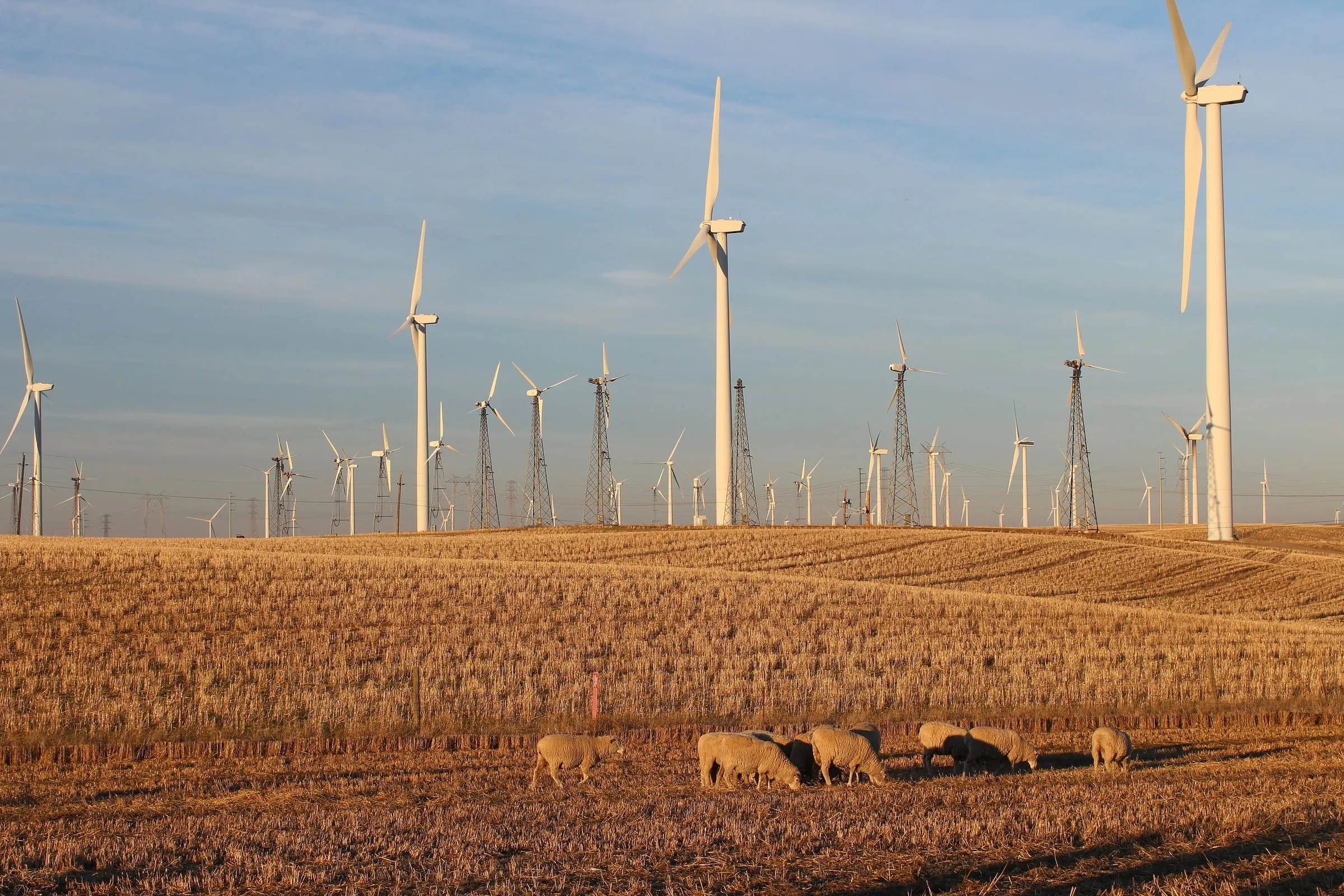
Photo: Pacific Southwest Region USFWS from Sacramento, US / Wikimedia Commons (Public domain)
Three days of regional talks closed late on Sunday with a figure everyone could quote and a rulebook nobody could yet produce. Donor governments committed a first capitalisation of eleven billion dollars to a new adaptation and transition fund; the twenty-two recipient states that will draw on it left without agreement on how a single dollar would be released.
Delegates on both sides called the outcome a step forward. Most of them also conceded, away from the plenary hall, that the harder negotiation has only just started.
What was agreed
The final communiqué sets out three commitments:
- an initial pool of eleven billion dollars, paid in over three years, with a review of the total in the second year;
- a split that reserves at least forty per cent for adaptation, such as flood defences and drought-resistant water supply, rather than new generation;
- a secretariat hosted by an existing regional development bank, avoiding the cost of a new institution.
That last point was the quiet success of the week. Several delegations had feared a long fight over headquarters, which in past funds has absorbed years of diplomatic effort.
The sticking point
The disagreement is about control. Donors want projects screened by a board on which they hold half the seats, with disbursement tied to audited milestones. Recipient governments want direct access through their own national agencies, arguing that the milestone model has left earlier funds with money committed but unspent for years.
A negotiator for one of the island states put the frustration plainly during the closing session.
We have been promised the money three times. What we have never been given is the key to the door.
Donor officials counter that their own parliaments will not approve further contributions without strict reporting. A compromise floated on the final night, giving recipients direct access for projects below a set threshold, was welcomed in principle but not adopted.
Why the detail matters
Earlier regional funds offer a warning. Analysts at a development research institute estimate that less than half of comparable pledges made over the past decade had been disbursed within five years, largely because eligibility rules were written after the money was announced. The pattern risks repeating here.
What happens next
A technical committee of twelve members, split evenly between donors and recipients, has been asked to draft the operating rules by the end of the year. Its first meeting is scheduled for September. Until it reports, the eleven billion dollars will sit in a trust account, counted in communiqués but not yet in any project.