
A trade deal negotiated in public, and why that changed the outcome
Negotiators published every draft chapter within forty-eight hours of each round, which built public trust in the agreement and also made several late concessions politically impossible.

2 min read

When the two delegations agreed at the first round to publish every draft chapter within forty-eight hours, most trade lawyers expected the commitment to last a month. It lasted fourteen rounds and nineteen months, and it produced an agreement that both parliaments ratified without a single amendment.
It also produced a different agreement from the one either side set out to negotiate. Openness did not just change how the deal was reached. It changed what could be in it.
What publishing did
The early benefit was obvious. Farm groups, port unions and consumer organisations could read the actual text rather than leaked summaries, and their objections arrived early, in writing and attached to specific clauses. Several misunderstandings that would normally have surfaced only at ratification were resolved within a round.
The less obvious effect was on bargaining. In a closed negotiation, a delegation can float a concession, test the reaction and withdraw it without cost. Here, every proposal became public property within two days, and withdrawing one meant explaining why.
The concessions that never came
Officials on both sides now acknowledge that at least two trade-offs, both common in agreements of this kind, were never seriously proposed. One would have exchanged faster tariff cuts on processed food for longer protection of a domestic shipbuilding sector. The other would have linked port access to a separate dispute over fishing quotas.
In private you can trade a pig for a ship. In public you have to explain to the farmer why his pig was worth less.
That was how one negotiator put it at a briefing after the final round. Both packages, officials say, would have been rejected by the affected industries the moment they appeared online, so neither delegation risked tabling them.
What the deal contains instead
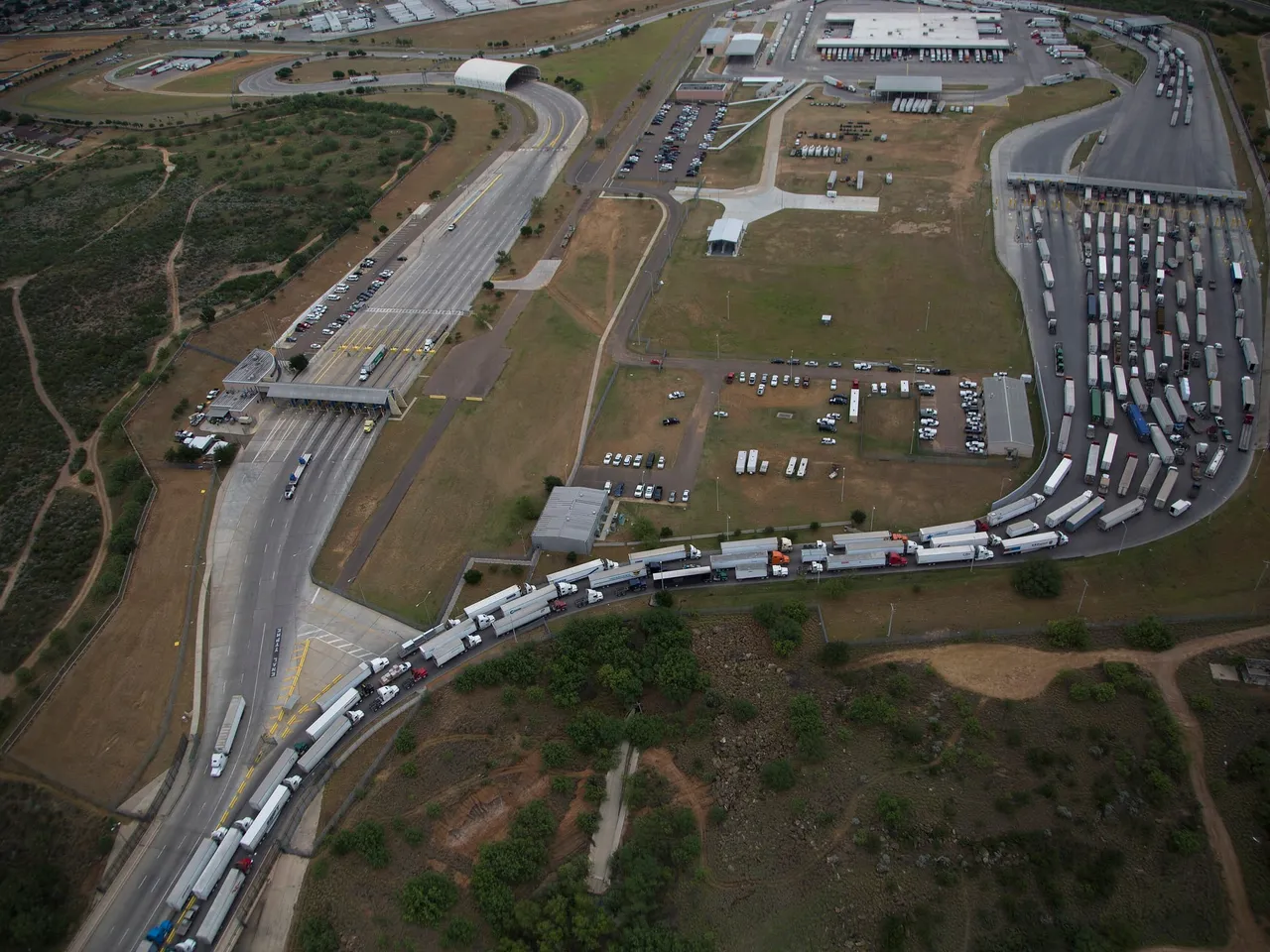
The result is narrower than many expected but more durable. Tariffs on industrial goods fall to zero over seven years. A joint customs data system cuts average clearance times at the main container terminals by an estimated third. Agriculture and shipbuilding are largely left out, with a review clause in year five.
What happens next
Other governments are watching. At least two delegations in separate negotiations have asked to see how the publication process was organised, though neither has committed to copying it. The lesson most officials draw is a cautious one: openness makes an agreement easier to ratify and harder to make ambitious, and which matters more depends on what a government needs the deal to do.