


Parliament puts a clock on the power-hungry data centre boom
New server halls will be connected to the grid only if operators agree to cut demand on command during winter peaks, a condition the industry fought for two years.


2 min read
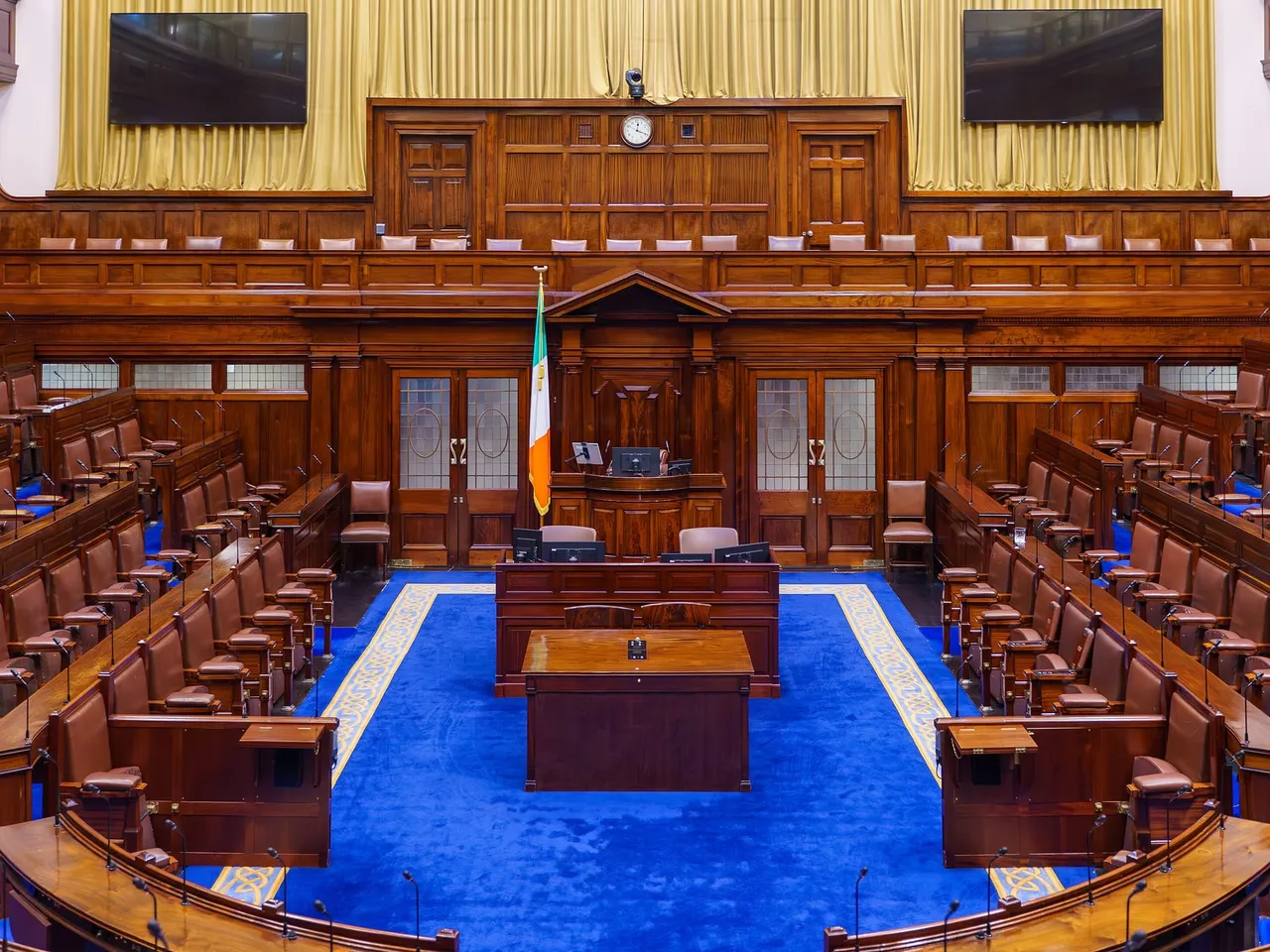
The vote came late on a Thursday, passed by a margin of thirty-one, and changes the terms on which every new data centre in the country will be allowed to draw power. From January, grid connections above twenty megawatts will be granted only to operators who sign a curtailment agreement: a legal commitment to cut their demand within fifteen minutes whenever the grid operator declares a peak.
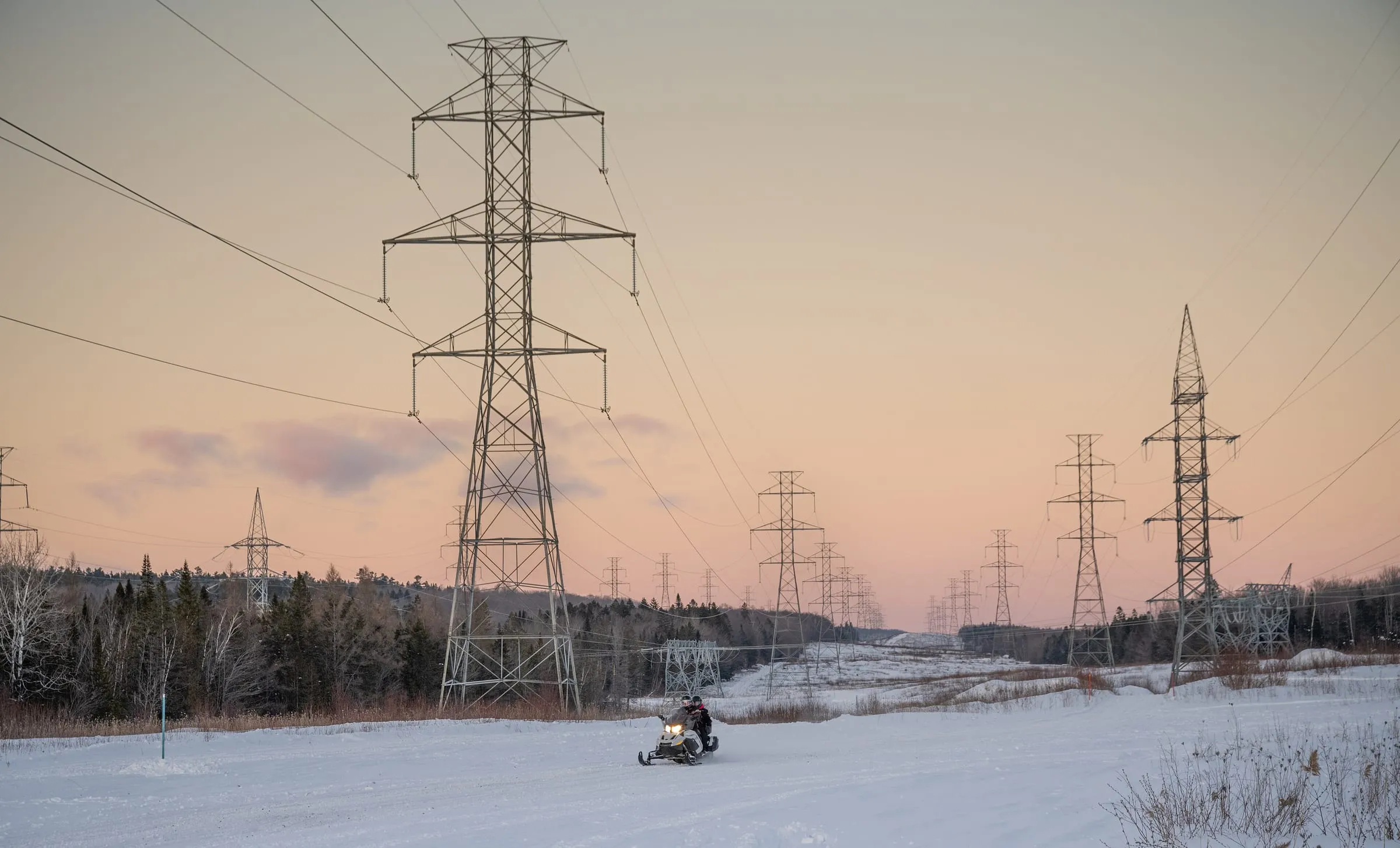
For an industry that sells uninterrupted availability, it is a significant concession. For a grid whose connection queue now holds more requested capacity than the country’s entire current demand, it was close to unavoidable.
What the law requires
The bill sets out three conditions for any new large connection:
- automatic curtailment of up to forty per cent of contracted load during declared peaks
- on-site backup generation or storage able to cover that share for at least four hours
- quarterly reporting of actual consumption against the contracted figure
Operators that breach the agreement face fines scaled to the energy drawn during the breach, and after a second breach, the loss of priority in any future connection request.
Why the industry gave way
For two years the operators’ trade body argued that curtailment would push investment abroad. It changed its position in the spring, when the grid operator published figures showing that the median wait for an unconditional connection had reached seven years.
We were offered a slower yes or a faster yes with conditions. Nobody builds a business on a seven-year maybe.
That was the explanation from one operator’s policy director, speaking after the vote. In private, several companies say the curtailment terms are workable because peaks are rare: the grid operator declared them on only nineteen days last winter, most for less than three hours.
The sticking point
Opposition members accept the principle but question the clock. Fifteen minutes, they argue, is enough time for a server hall to shed load but not to verify that it has done so, and the bill gives the grid operator no real-time metering powers to check.
The governing party has promised secondary legislation on metering before the first agreements take effect. The regulator has said it will need until at least the following spring to draft it, which means the first winter under the new rules will rely largely on operators reporting their own compliance.
What happens next
Eleven projects in the connection queue have already said they will accept the terms. Three larger developments, all planned for sites near the northern interconnector, have asked for a meeting with the energy minister before deciding. Their answer will show whether the clock Parliament has set is a condition the industry can live with, or one it will spend the next session trying to amend.