

A week inside the campaign war room that runs on data
With six weeks to polling day, an opposition campaign let our cameras into the analytics floor where voter models, not rallies, decide where every volunteer shift and advertising budget goes.


2 min read
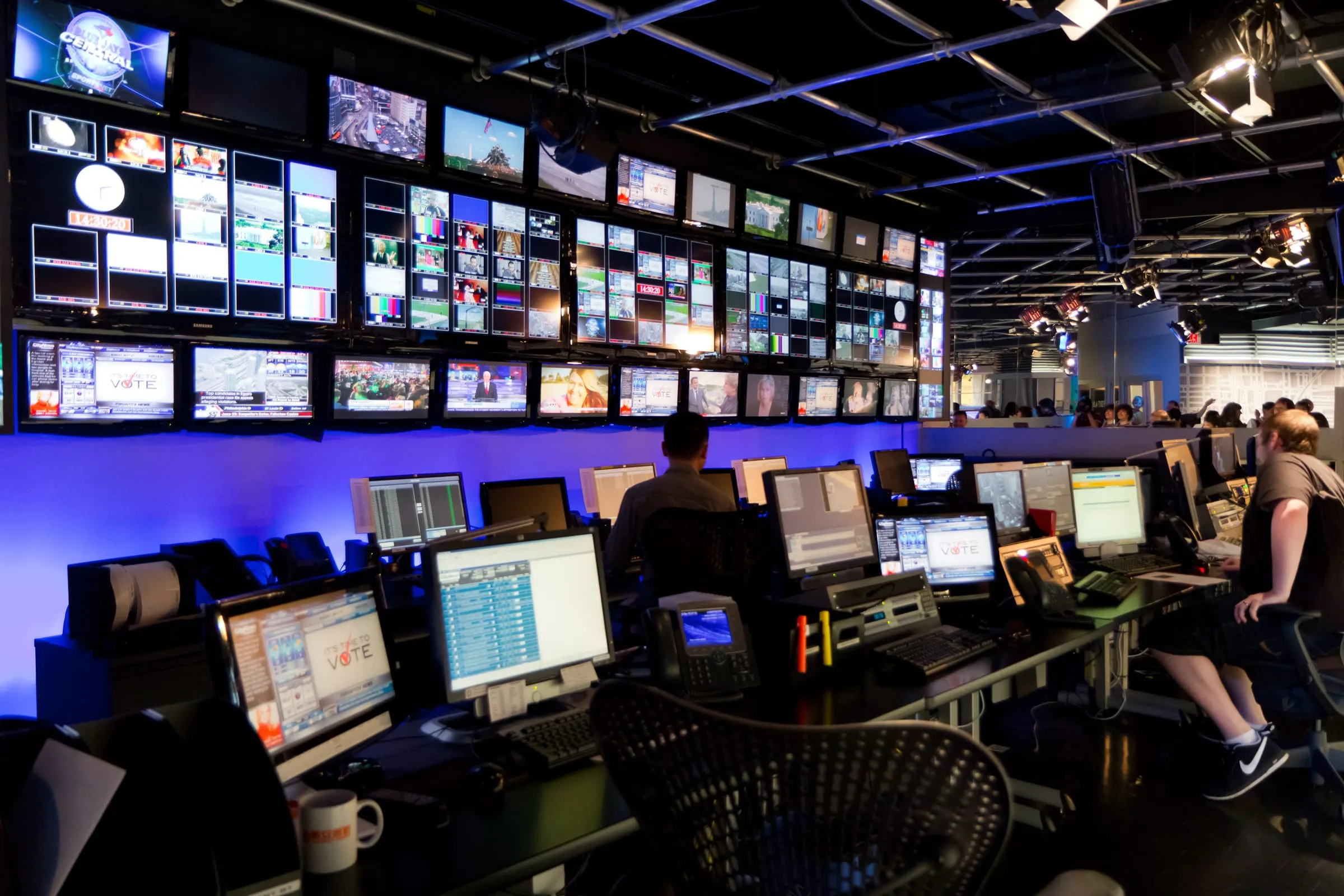
The room has no posters and almost no paper. Twenty-eight analysts sit in two rows facing a wall of screens that refresh every fifteen minutes, and the most important number on any of them is not a poll. It is a probability, calculated for each of roughly four million registered voters, that the person will turn out and vote for the party.
For one week, an opposition campaign allowed our crew to film its analytics operation on the condition that we did not identify staff or show raw voter files. The film that accompanies this article follows a single cycle: a model update on Monday and the decisions that flow from it by Friday.
How the model decides
Each morning the team blends three sources: the electoral register, a rolling programme of telephone and online surveys, and the doorstep reports volunteers log on their phones. The output is a ranked list of wards where an extra hour of canvassing is predicted to move the most votes.
That list now drives almost everything. Volunteer shifts are assigned from it. Digital advertising budgets follow it. Even the leader’s travel schedule is drafted against it, then adjusted for television.
Where the instinct still wins
Not every decision survived contact with the people who have to carry it out. Midweek, the model recommended pulling volunteers out of a former industrial town where the party’s vote had collapsed. Regional organisers refused, arguing that abandoning the town would become a story in its own right.
A senior campaign strategist summed up the tension on camera.
The model tells you where the votes are. It cannot tell you what it costs to be seen leaving.
The volunteers stayed. The analysts recorded the decision as an override and will measure it after polling day.
The rules lag behind
Electoral law in most democracies was written for leaflets and broadcast slots, not for individual scoring. The campaign insists it uses only lawfully held data and does not buy commercial profiles. The electoral commission has nonetheless opened a consultation on whether voter modelling should be disclosed in spending returns, and privacy regulators have asked all parties to publish their retention policies before the vote.
Opponents say the practice is now universal and only the budgets differ. That may be true. It also means the most consequential targeting decisions of the campaign are made in rooms like this one, without much public sight of them.
What happens next
The final model run is scheduled for the Thursday before polling day. After that, the team says, there is nothing left to optimise except turnout, and turnout still depends on whether people feel like going out in the rain.