
Lawmakers open the national budget to a public vote for the first time
One per cent of next year's capital spending will go to projects chosen by citizens, and the fight over how the ballot is worded already outstrips the one over money.


2 min read
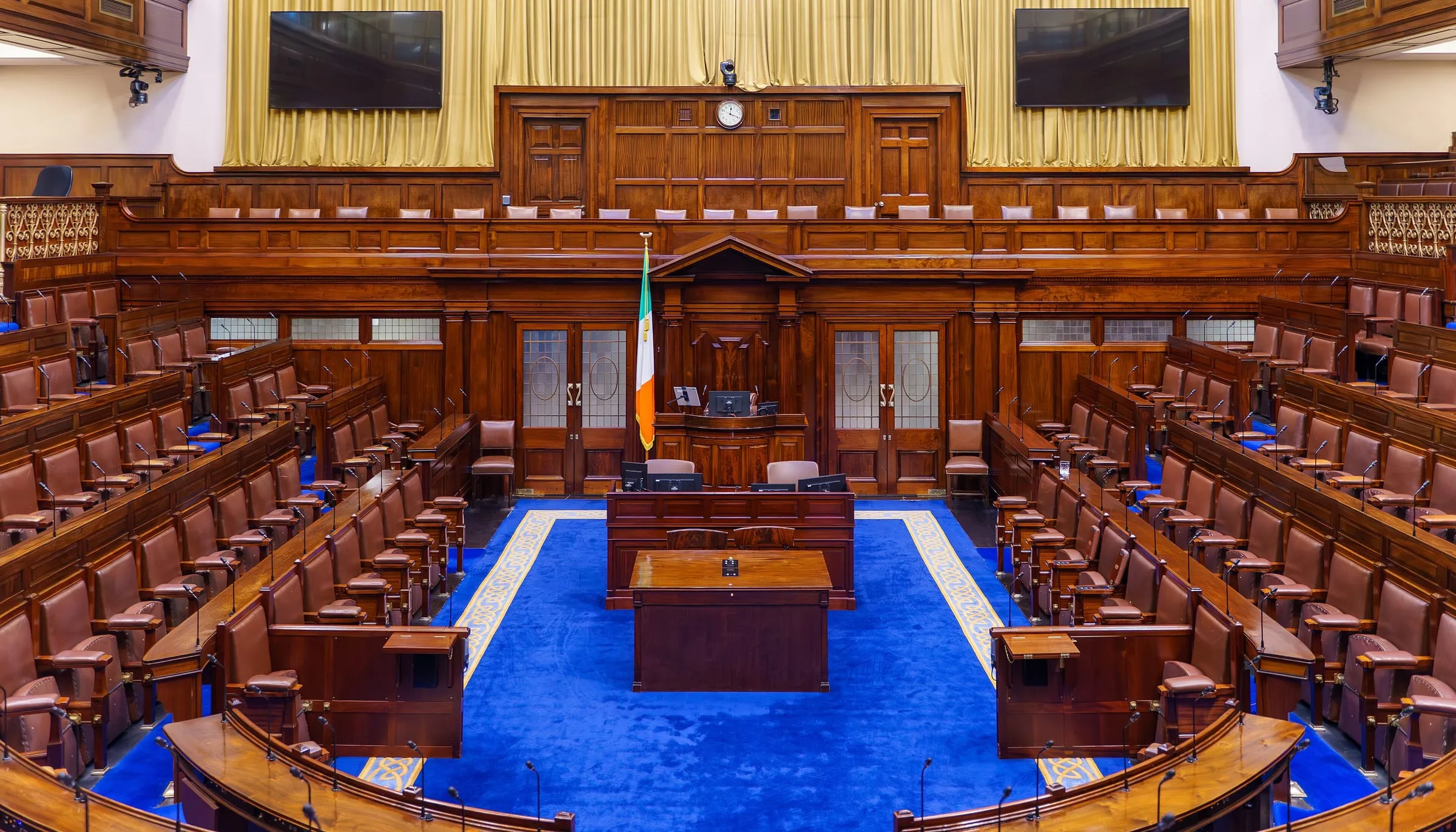
Parliament voted on Tuesday to hand a slice of the national budget directly to voters. One per cent of next year’s capital spending, a little over 600 million in the national currency, will be allocated by a public ballot open to every adult resident, with the results binding on the finance ministry.
The amount is modest by the standards of a budget that runs to tens of billions. The principle is not. Participatory budgeting has been tried in city halls for decades; this is the first time it has been written into national spending law.
How the ballot will work
The finance committee’s amendment sets a tight timetable. Ministries and regional councils have until the end of September to submit eligible projects, each with a costed delivery plan. An independent panel will then reduce the list to no more than forty options, grouped into five themes: transport, schools, health facilities, water and public space.
Voters will be able to back up to five projects online or at post offices over a three-week window in November. Funding will flow down the ranked list until the money runs out.
The fight over the wording
The most heated debate in committee was not about the total but about how projects are described. Opposition members argued that ministries would write glowing summaries of their own proposals; the governing party countered that letting the panel rewrite them risked accusations of bias.
The compromise requires every entry to follow a fixed template: cost, location, delivery date and the number of people served, with no adjectives allowed. A committee clerk who helped draft it was dry about the result.
We have banned the word “vital” from a government document. That alone may be worth the experiment.
The risks
Critics raise three concerns. Turnout in municipal versions of the scheme has often been low and skewed towards older, wealthier residents. Popular projects may favour visible, shovel-ready works over maintenance that is less exciting but more urgent. And the binding vote could, in principle, lock the treasury into commitments that a future government would prefer to cut.
The amendment tries to answer the first point with a requirement that results be published by region and age group, so that any imbalance is visible. It leaves the other two to the panel.
What happens next
The scheme runs for one budget cycle, after which the national audit office will review turnout, cost overruns and delivery. If it survives that review, the finance committee wants to raise the share to three per cent. Several regional councils have already asked whether they can run their own ballots alongside it in November.