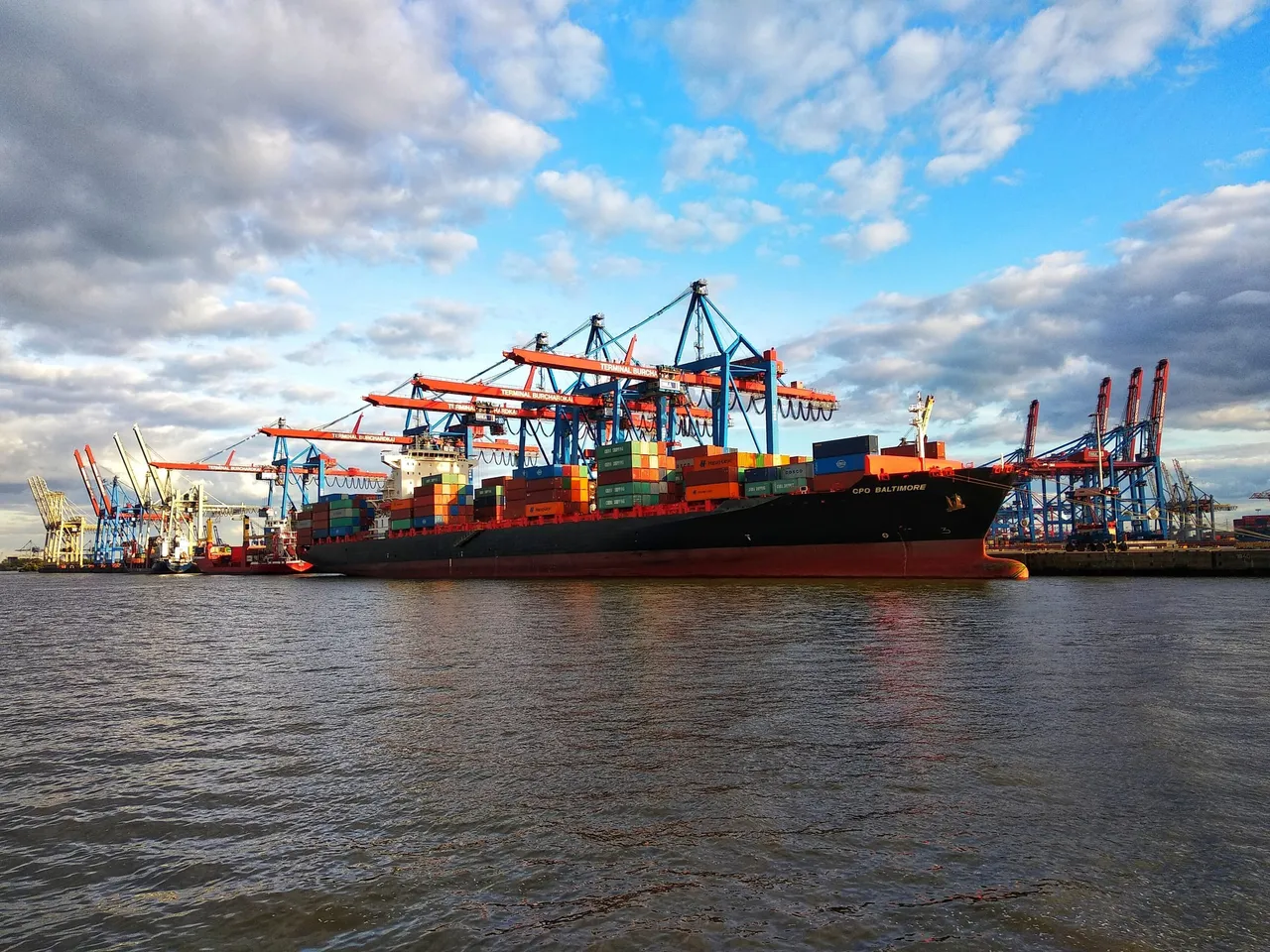


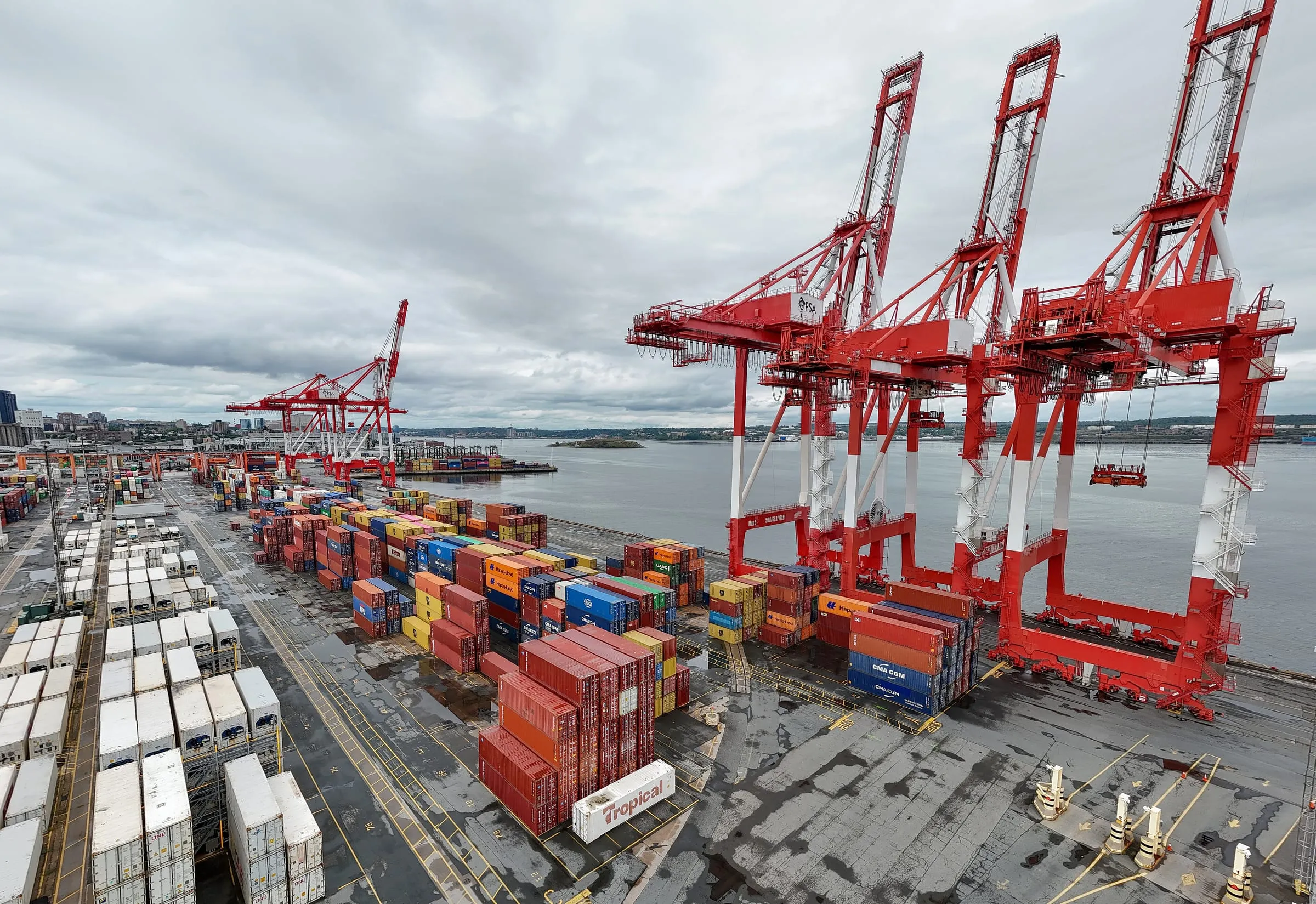
The first full quarter in which importers must pay for embedded carbon, rather than simply report it, has concentrated minds across the logistics trade. Freight forwarders that once treated emissions accounting as a compliance chore now find it showing up in customer tenders, and the warehouses that sit between ports and shops are under pressure to prove their numbers.
The response, so far, has been to plug things in. Electric forklifts, rooftop solar, heat pumps for cold storage and battery-electric trucks for short urban runs have moved from pilot projects to standard specification in new leases.
Why the border tax matters
Strictly speaking, the levy applies to a narrow list of goods: steel, aluminium, cement, fertiliser and a few others. Warehousing is not on it. But large retailers and manufacturers have begun asking every supplier for emissions data across the whole chain, partly to prepare for the list being widened and partly because investors now ask the same questions.
One trade negotiator involved in talks with exporting countries described the effect as gravitational rather than legal.
The tax touches a few products. The paperwork touches everyone who moves them.
What operators are doing
A survey by a logistics trade body found that roughly 40 per cent of its members had electrified at least half of their indoor handling equipment, compared with about a quarter two years ago. The economics have shifted as battery prices have fallen and as diesel has become harder to justify on a balance sheet that now carries a carbon line.
Fleet electrification is slower. Heavy trucks remain expensive, and charging depots near ports are constrained by grid connections that can take three or more years to secure. Several operators are sharing charging sites, and some ports have begun leasing land specifically for that purpose.
The squeeze on smaller firms
The costs fall unevenly. Large operators can borrow cheaply and spread capital spending across many sites. Smaller family-owned warehouses, which handle a significant share of regional distribution, face the same customer demands with thinner margins and older buildings.
Industry groups have asked the government for targeted grants and faster grid connections, and the economy ministry has signalled that a support scheme may appear in the autumn budget. Until then, some smaller firms report losing contracts not because their emissions are high, but because they cannot measure them well enough to satisfy a customer’s auditors.
What comes next
The levy’s scope is due for review next year, and several exporting governments have lodged objections through trade channels. For warehouse operators, though, the direction seems settled: buildings signed today are being specified for an electric future, whatever the final list of taxed goods turns out to be.