
Why small island states now set the tone at climate summits
A bloc of low-lying nations with a tiny share of global emissions has learned to shape agendas through coordination, legal pressure and a seat on every drafting committee.

2 min read
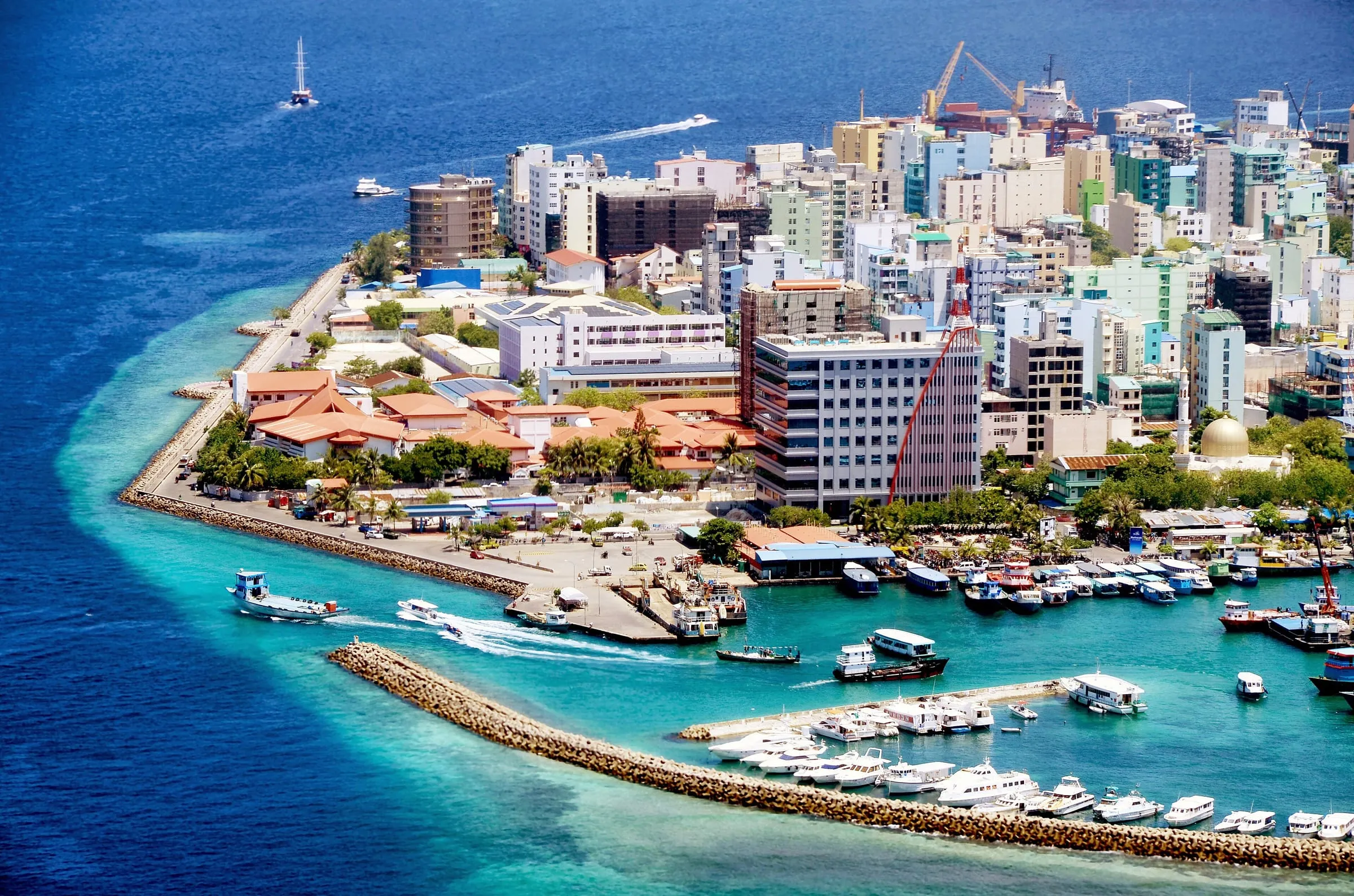
Together they account for well under one per cent of global emissions and a sliver of world output. Yet at the last three major climate conferences, the coalition of small island and low-lying coastal states has set the terms of the debate more often than many of the large economies in the room.
Their influence rests less on size than on discipline. The bloc negotiates as one, sends the same experienced team to every session, and arrives with drafts already written. When larger delegations are still agreeing their own positions, the islands’ text is often the only one on the table.
How the bloc works
Delegates describe a division of labour that would be unusual even for a wealthy foreign ministry. One member leads on finance, another on adaptation, a third on legal questions, and each briefs the others every evening during a summit. Smaller states that cannot afford a full delegation lend their votes to the group’s lead negotiators.
- A single negotiating text agreed before each summit opens
- Rotating leads on finance, adaptation and loss and damage
- Pooled legal advice funded partly by philanthropic grants
The legal turn
The most significant shift has been toward the courts. Island governments have pursued advisory opinions on states’ obligations under international law, and have pressed for sea-level rise to be recognised as not altering maritime boundaries or statehood. Those arguments have moved from the margins into mainstream diplomatic language within a few years.
A veteran negotiator from one of the Pacific delegations described the strategy in a single sentence during a break in the last round of talks.
“We cannot outspend anyone, so we have to out-prepare everyone.”
Limits of influence
The bloc’s reach has limits. It can shape wording, but it cannot compel finance. Pledges to adaptation funds remain far below the figures island governments say they need for sea walls, freshwater protection and relocation planning. Disbursement is slow, and many smaller states lack the staff to complete lengthy application processes.
Some analysts also warn of fatigue. As climate summits widen to cover trade, minerals and technology, the islands’ tightly focused agenda risks being crowded out by issues on which they have little leverage.
What happens next
The coalition’s immediate goal is a simplified access window for adaptation money, with grants rather than loans for the most exposed states. Its members will also press for the next summit’s final text to reference the legal opinions they helped secure. Whether larger economies accept that language will show how far the islands’ influence now extends.