

Parliament puts a clock on the power-hungry data centre boom
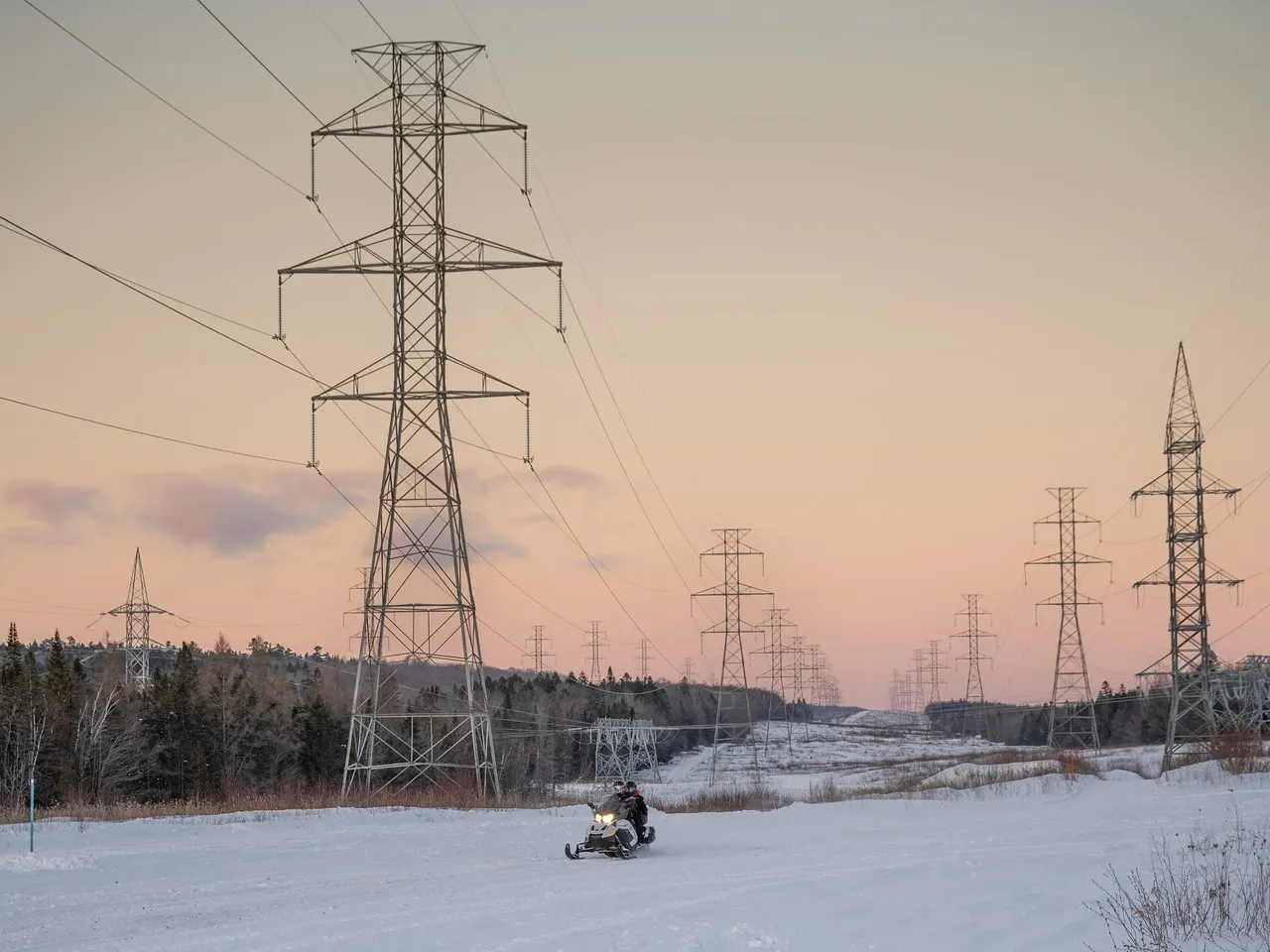
New server halls will be connected to the grid only if operators agree to cut demand on command during winter peaks, a condition the industry fought for two years.
41 stories, newest first. Page 2 of 4.
New server halls will be connected to the grid only if operators agree to cut demand on command during winter peaks, a condition the industry fought for two years.

Negotiators published every draft chapter within forty-eight hours of each round, which built public trust in the agreement and also made several late concessions politically impossible.
The levy on large platforms passed its first reading with cross-party backing, but the finance ministry still cannot say which transactions it applies to or who would audit them.
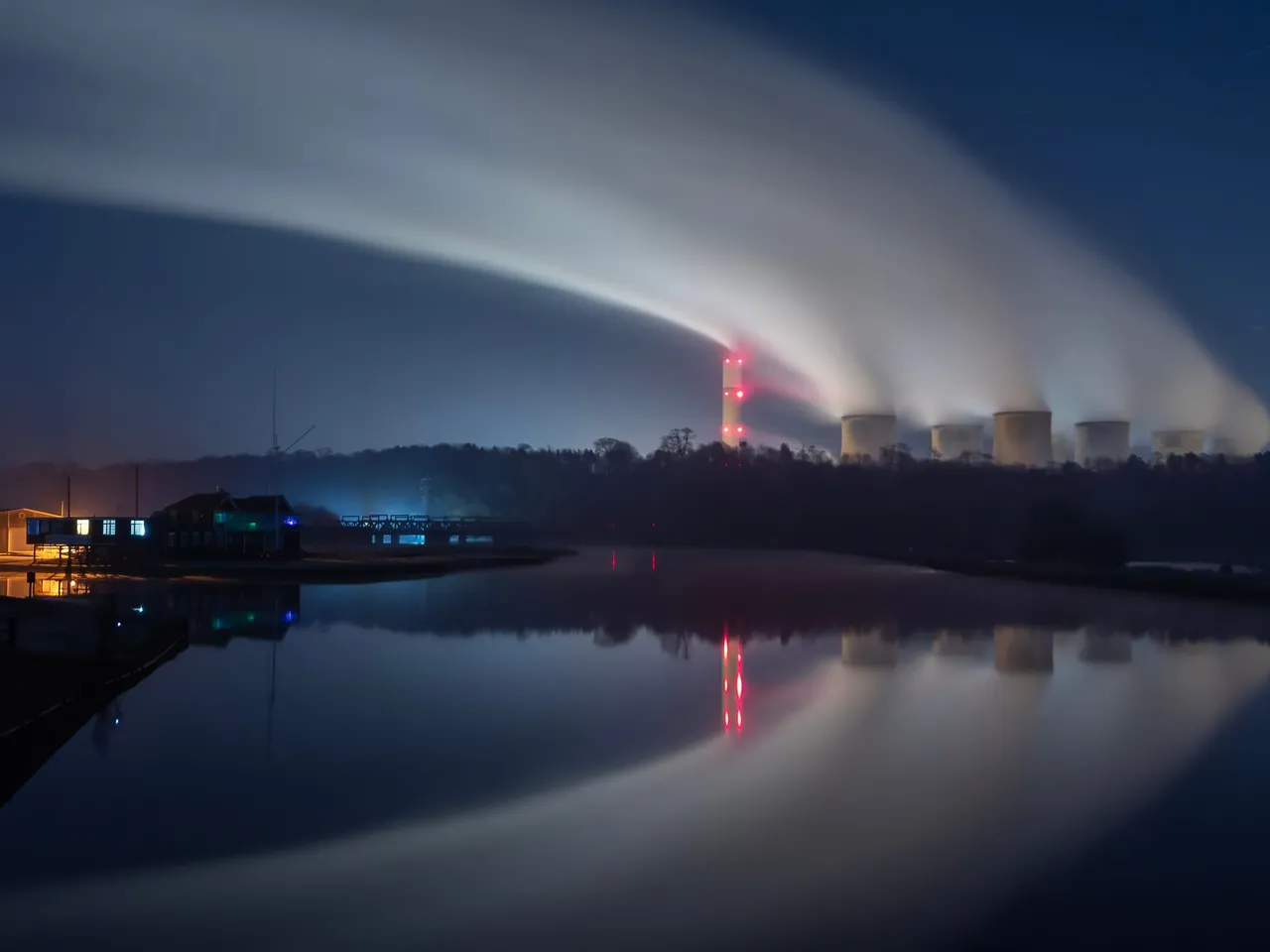
Storage targets, a shared demand-reduction pledge and an emergency gas-sharing mechanism were agreed after a fourteen-hour session that left the hardest question, who pays, for autumn.
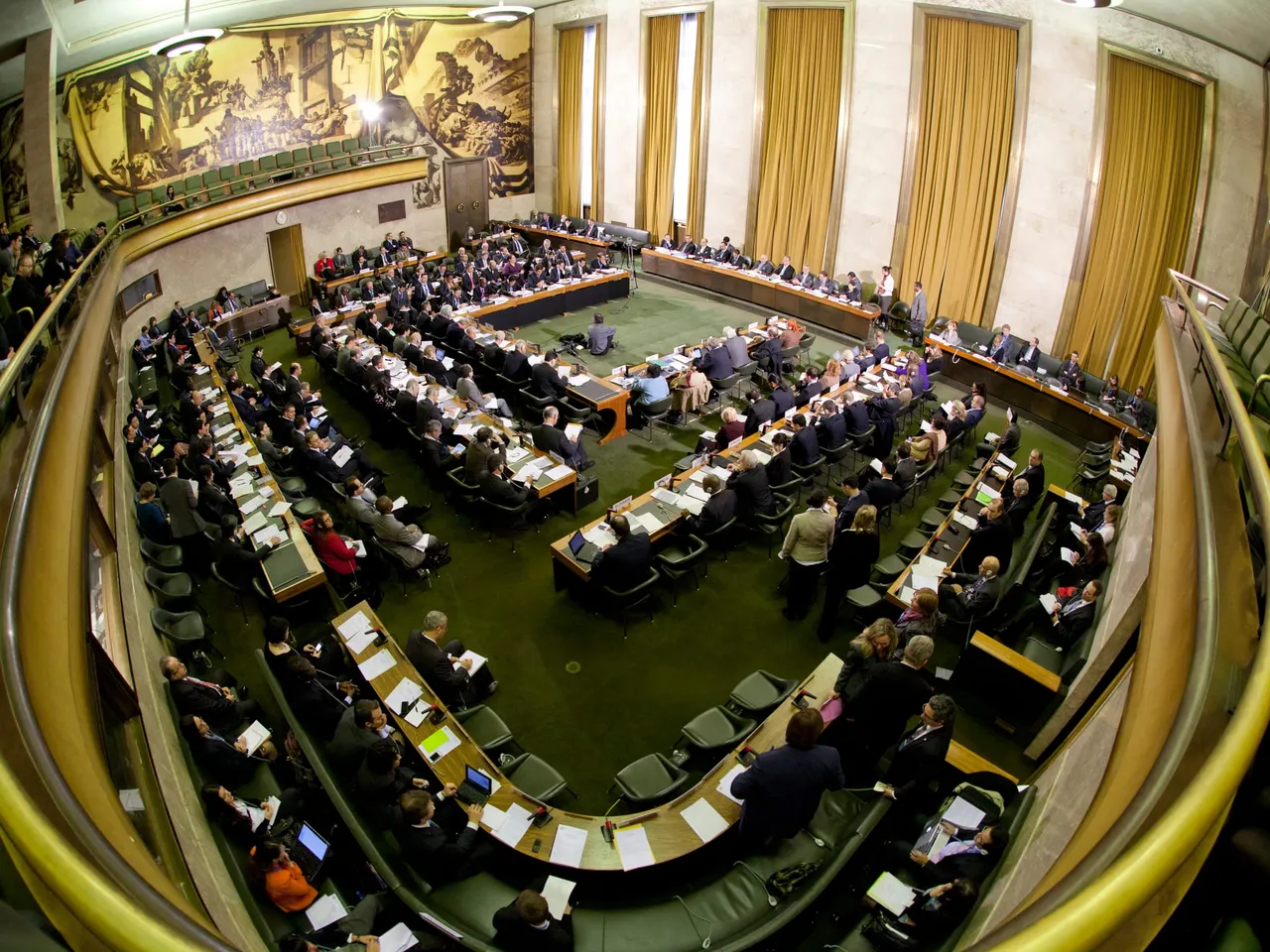
An independent review panel will check every dollar of promised climate finance against what actually arrived, separating grants from loans and counting nothing twice.
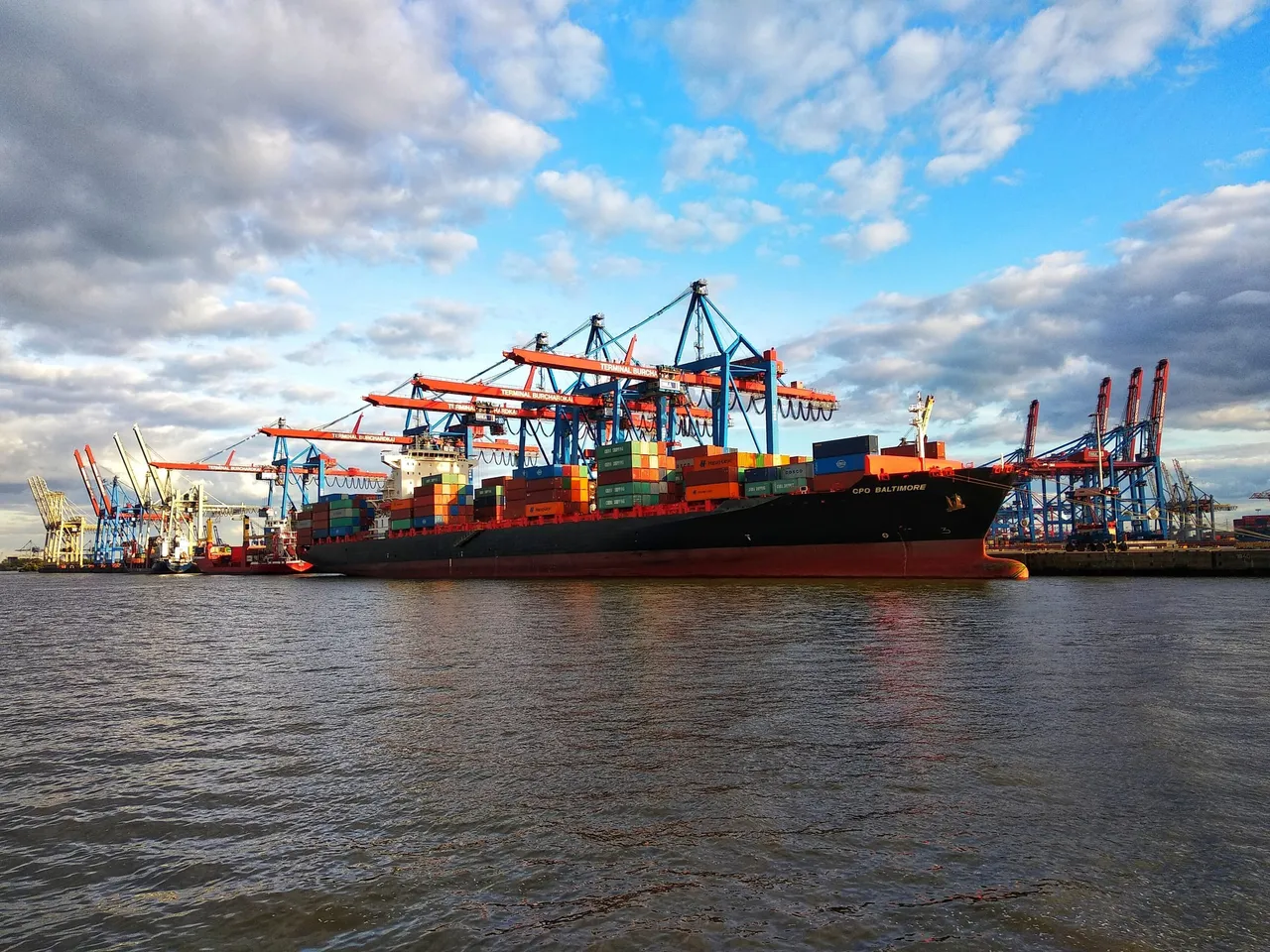
New transit inspections at a narrow sea passage have added up to three days to Asia–Europe voyages, and container lines are again weighing the long way round.

Trade ministers who once toured car plants now queue for clean-room visits, as governments compete for guaranteed allocations of the most advanced semiconductors.

Earlier summer holidays, dawn timetables and shortened exam seasons are becoming standard as education ministries treat extreme heat as a fixed feature of the school year.

Evening opening until eleven, cheaper late tickets and a shared transport pass are drawing younger visitors, and the restaurants, bars and night buses are adjusting around them.

Defence ministers agreed to treat undersea cables, power grids and rail corridors as shared frontline assets, but split again over who pays and how fast.

New procurement rules for chatbots in tax offices, benefits agencies and consulates require a named official to review any decision that affects a citizen's rights.
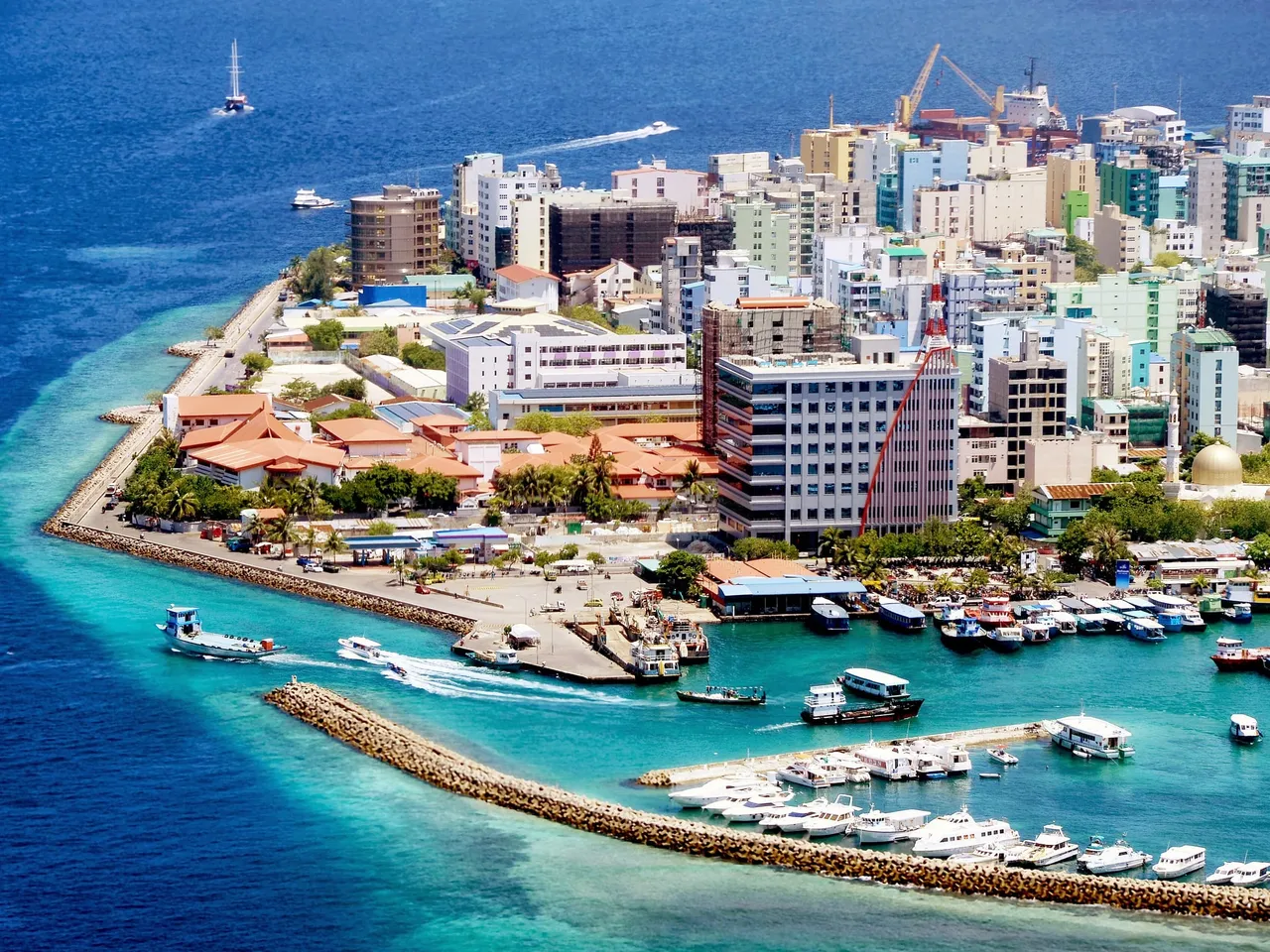
A bloc of low-lying nations with a tiny share of global emissions has learned to shape agendas through coordination, legal pressure and a seat on every drafting committee.