
Museums stay open late, and the night economy follows
Evening opening until eleven, cheaper late tickets and a shared transport pass are drawing younger visitors, and the restaurants, bars and night buses are adjusting around them.

2 min read
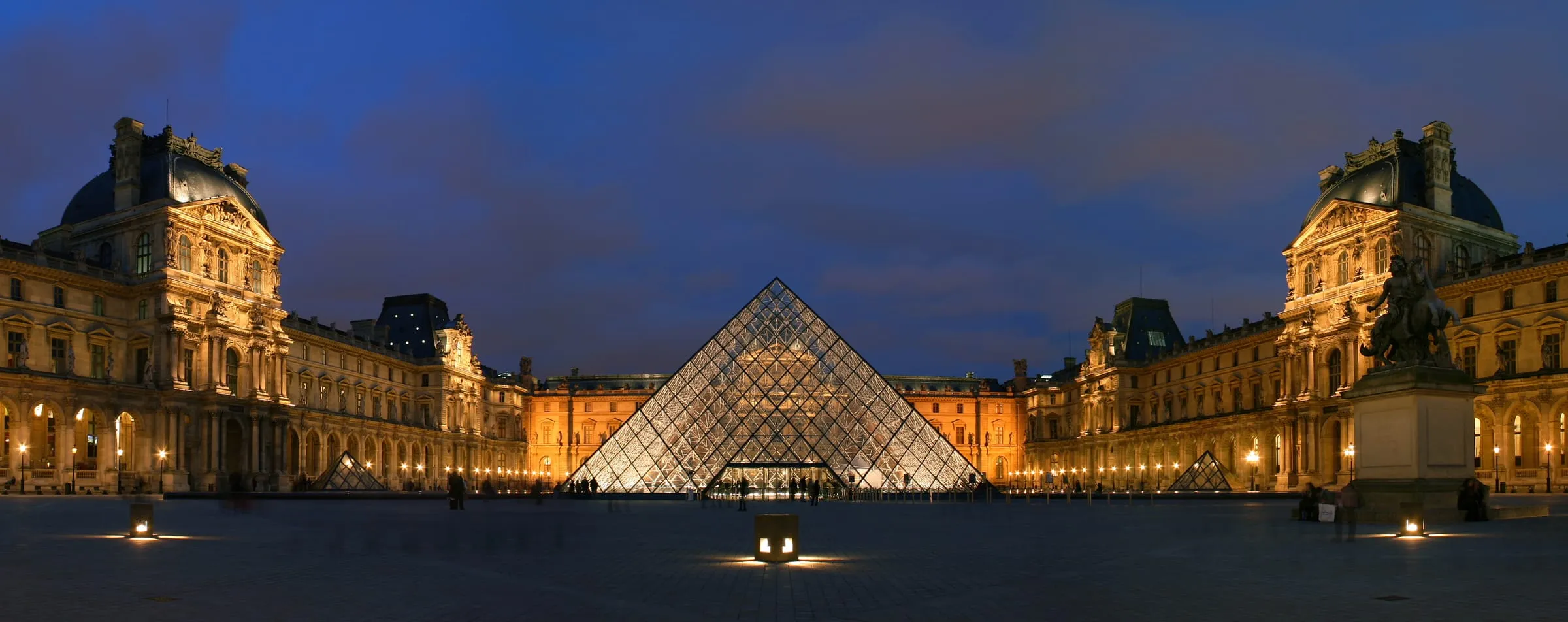
The last entry used to be at half past five. This season, a group of national and municipal museums has pushed it to ten o’clock on three nights a week, and the galleries now close at eleven. The early figures suggest the experiment is doing more than lengthening the queue: the average evening visitor is a decade younger than the daytime one, and almost half say they would not otherwise have come.
The change was negotiated over two years between the culture ministry, the city council and the staff unions, and it rests on a simple bet. A museum that stays open after dinner becomes part of an evening out rather than a chore for a rainy afternoon.
What changed on the floor
Late opening is not simply the day shift stretched. Curators have redrawn routes so that evening visitors move through fewer, quieter rooms, with the busiest collections closed after eight to give conservators and cleaners a window. Ticket desks sell a reduced late entry at roughly two-thirds of the standard price, and a joint pass covers three institutions on the same night.
- Three late nights a week, with last entry at ten
- A reduced evening ticket and a three-museum pass
- Night bus frequencies raised on the routes that serve the museum quarter
The neighbourhood effect
Restaurant owners near the larger institutions report later second sittings and steadier weekday trade. Two cafés inside the museums now stay open until closing, and a small number of bars have started offering a discount to anyone holding an evening ticket.
Not everyone is pleased. Residents’ associations in the old quarter have asked for limits on outdoor seating after eleven, and the council has agreed to review noise complaints every quarter. A city official involved in the talks put the trade-off plainly.
“We wanted people in the streets at night. We did not want them shouting in them.”
Paying for it
The extra hours cost money. Overtime and security account for most of the bill, which the ministry is covering for an initial three-year period. After that, each museum will have to show that evening income covers at least half of its additional running costs, or scale back to a single late night.
Museum directors are cautiously optimistic. Evening sales of catalogues and memberships are higher than expected, and the late ticket has proved popular with residents as well as visitors. The harder question is staffing: unions agreed to the rota on condition that no one works more than two evening shifts a week, and some smaller institutions are already struggling to fill them.
What happens next
A first review is due in the autumn, when the ministry will decide whether to extend the scheme to regional museums. If it does, the late museum may become a fixture of the evening rather than an occasional event.