

Bookshops become the last civic rooms in a fractured election year
With town halls booked by campaigns and online forums full of anger, independent booksellers are hosting the debates nobody else will, and finding a new kind of customer.

2 min read
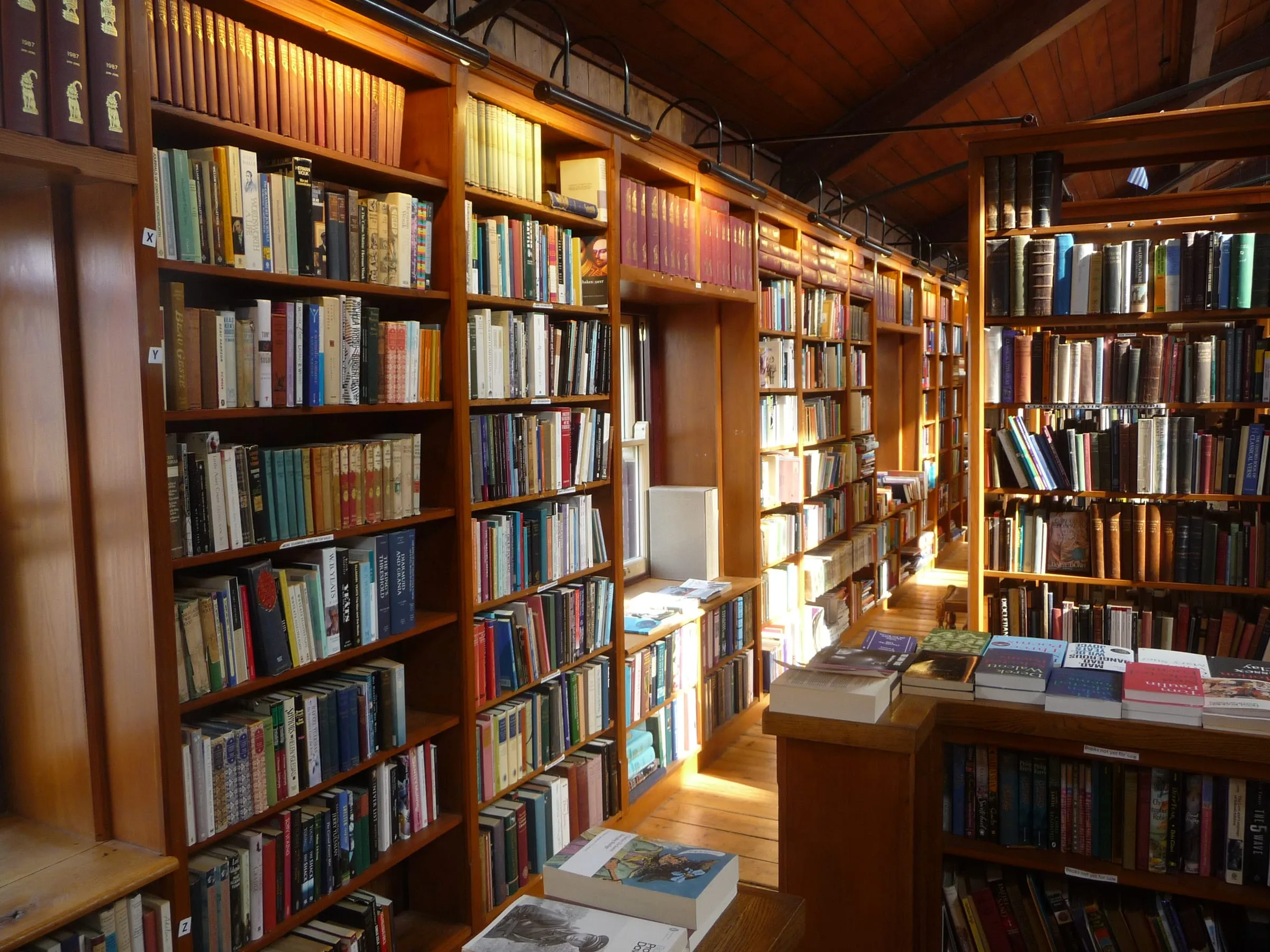
On a wet Thursday evening, forty people squeezed between the history shelves of a secondhand bookshop to hear two candidates for the same provincial seat answer questions about bus routes and school closures. Nobody shouted. A volunteer kept time with a kitchen timer, and the owner sold tea at cost.
Scenes like this have become common in the run-up to next month’s general election. As parties book municipal halls for rallies and local newspapers shrink to a few pages, small bookshops have found themselves acting as neutral ground: the one room in town where people who disagree will still sit down together.
A room nobody owns
Booksellers say the appeal is partly physical. A shop is small enough that a speaker cannot hide behind a podium, and the shelves themselves seem to calm people down. Many have adopted simple house rules: candidates from every registered party are invited, questions are written on cards, and no campaign material is allowed past the door.
An association of independent booksellers says more than a hundred of its members have hosted at least one hustings this year, up from a handful at the last election. Some have added reading groups on the constitution, or evenings where a retired judge explains how the electoral commission counts postal votes.
The limits of neutrality
Not everyone is comfortable with the role. A few owners report abusive messages after inviting candidates from smaller nationalist parties, and one shop lost its insurance cover after a crowded event spilled into the street. Others worry that being seen as a political venue will drive away customers who simply want a novel.
An analyst who studies civic participation sees the trend as a symptom rather than a cure.
When the bookshop is the last public room left, that tells you how many others have closed.
She points to the steady loss of libraries, community centres and local radio over the past decade, and notes that bookshops reach a narrow, mostly urban audience.
Selling more than books
There is a commercial logic, too. Owners say event nights rarely make money directly, but they bring in people who come back. Sales of political history, constitutional law and translated fiction from neighbouring countries have risen noticeably, according to the association’s figures, while trade in election-year memoirs remains, as one owner put it, stubbornly flat.
After the vote
The question is whether the habit survives polling day. Several shops plan to keep monthly forums running on local issues, from housing to river pollution, and the booksellers’ association is drafting a short guide for members who want to host them. Its main advice is practical: cap the numbers, keep the timer, and always invite the candidate you least want to hear.