

Art fairs slow down as collectors question the travel calendar
With sales flat and travel costs rising, galleries are cutting the number of fairs they attend each year and putting the savings into longer exhibitions at home.

2 min read
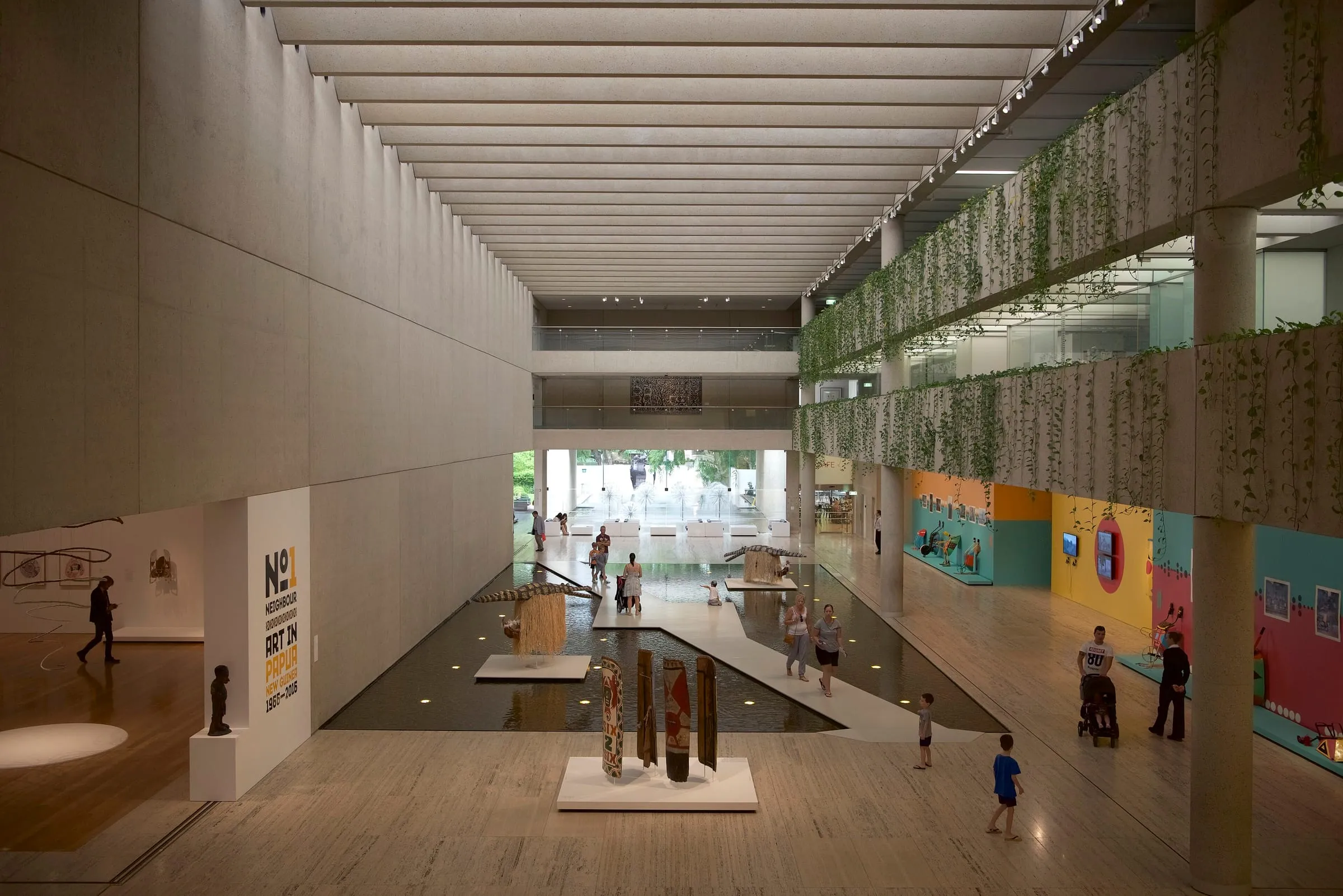
For twenty years the art market ran on a calendar of fairs that never seemed to stop. A mid-sized gallery might ship work to eight or ten of them a year, across three continents, chasing the same collectors from one convention hall to the next. That rhythm is now breaking.
Dealers interviewed for this article said they plan to attend fewer fairs next year, on average two fewer than last. Several organisers have trimmed their exhibitor lists, and at least two regional fairs have announced that they will move from annual to biennial editions.
Why the calendar is shrinking
The economics have turned. A booth at a leading fair, with shipping, insurance, travel and hospitality, can cost a gallery the equivalent of several months’ rent. That was easy to justify when fairs reliably produced a large share of annual sales. With the market flat for a second year, fewer galleries are recovering their costs.
- Booth and shipping costs up sharply since the pandemic
- Collectors buying earlier, from online previews, and travelling less
- Artists asking for longer, more considered shows instead of fair displays
Collectors themselves are part of the shift. Many now reserve works from digital previews before the doors open, which reduces the reason to travel at all. Some have begun to say openly that the circuit is exhausting.
The case for slower
Galleries are reinvesting in their own spaces. Exhibitions that once ran for five weeks now run for ten, with talks, private viewings and catalogues that would have been unaffordable alongside a full fair schedule. A dealer who cut her calendar from nine fairs to four described the change in practical terms.
“We used to show the work everywhere for three days. Now we show it properly in one place for three months.”
Smaller galleries are less sure. For dealers without an established client list, fairs remain the main way to meet new buyers, and the risk is that a slower calendar favours those who already have a network.
What organisers are doing
Fair organisers are responding with smaller, cheaper sections for younger galleries and shared booths that split costs. Some are experimenting with longer runs and fewer special events, in an attempt to make the fair feel less like a sprint.
What happens next
The autumn season will be the first real test. If attendance and sales hold up at the leading fairs while the second tier contracts, the market may settle into a shorter calendar built around a handful of essential events. Many dealers say that would suit them well.