



Tourist taxes spread as overcrowded capitals put a price on the crowd
Nightly levies, day-tripper fees and cruise surcharges are spreading fast, and city treasurers are discovering that how the money is spent matters as much as the charge.

2 min read
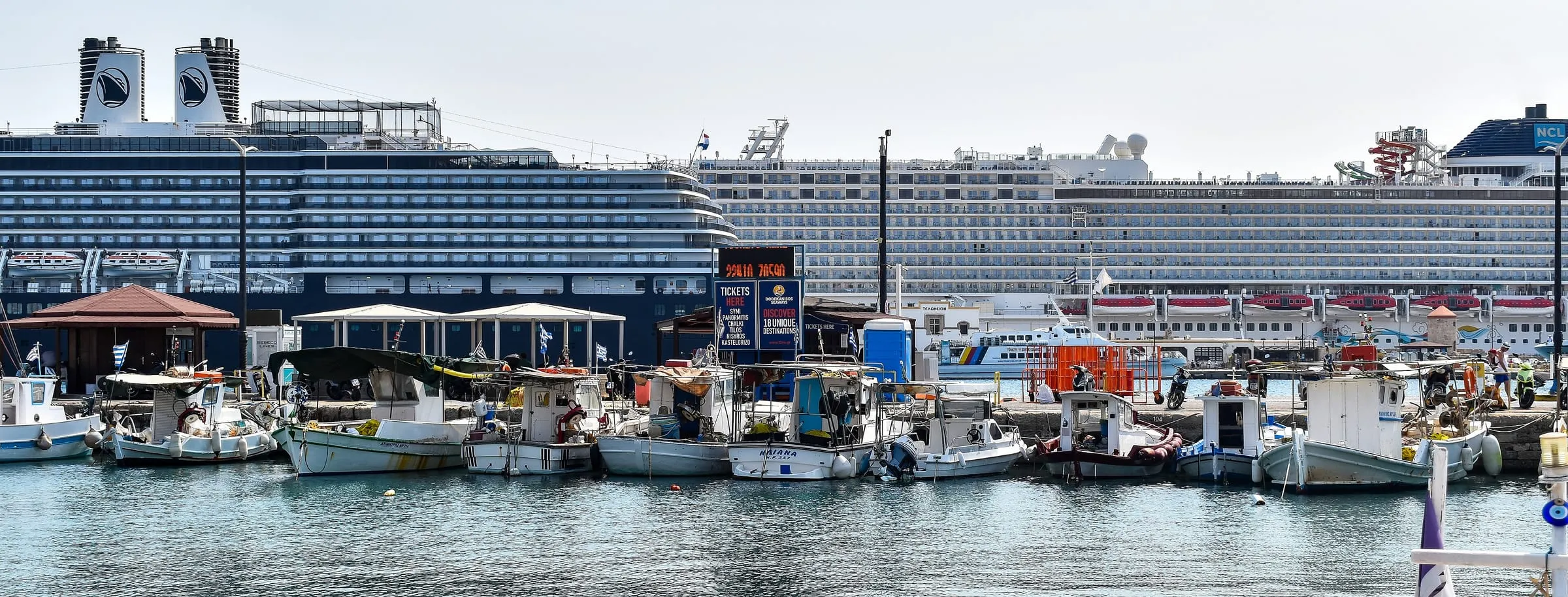
A decade ago, a tourist tax was a line on a hotel bill that few visitors noticed. This summer, more than a dozen of the most visited capitals and historic cities are charging some form of visitor levy, and several have introduced fees aimed specifically at day-trippers and cruise passengers who spend little and stay only a few hours.
The rates vary widely, from a euro or two per night in budget accommodation to flat entry charges at peak times. What unites them is a shift in purpose. The levies are no longer framed simply as revenue; they are presented as a way to manage the crowd.
What cities are charging
The models fall into three broad groups. Most cities add a nightly charge to accommodation, often scaled by hotel category. A smaller number charge day visitors on the busiest dates. Port cities increasingly add a per-passenger surcharge to cruise calls.
- Nightly accommodation levies, typically tiered by hotel class
- Peak-day entry fees for visitors who do not stay overnight
- Cruise passenger surcharges collected through port authorities
Collection is the practical hurdle. Accommodation taxes are easy to administer through hotels and booking platforms; day-tripper fees require booking systems, inspectors and exemptions for residents, students and workers.
Does it work?
Evidence that small charges reduce numbers is thin. Visitors who have paid for flights and hotels rarely change plans over a few euros. Where fees have changed behaviour, it has usually been by shifting visits away from peak days rather than reducing them overall.
A finance official in one southern port city was candid about the limits.
“A levy will not empty the square. It can pay for the people who clean it.”
That points to the real test: where the money goes. Residents are more likely to accept the presence of visitors when levy income visibly funds street cleaning, public transport and housing protections, and are quick to object when it disappears into general budgets.
The housing link
Several cities now tie levy revenue directly to housing. Some use it to fund inspections of short-term rentals; others ring-fence a share for buying back flats for long-term tenants. Campaigners argue that this is where tourism pressure is most acutely felt, and where the money can do most good.
What happens next
The hospitality industry is lobbying for national caps on visitor charges, warning of a patchwork that confuses travellers. Cities, for their part, want the power to set rates locally and to vary them by season. That argument is likely to move from town halls to national parliaments over the coming year.