
Empty offices and a housing shortage: can one fix the other?
With a fifth of city-centre office space vacant and rents still climbing, planners are fast-tracking conversions, but floor plates, plumbing and price are proving harder than the politics.

2 min read
On paper, the match looks perfect. One in five square metres of office space in the city centre now stands empty, the highest level on record. At the same time, the waiting list for social housing has passed forty thousand households, and private rents have risen faster than wages for five consecutive years. Turning one problem into a solution for the other has become a favourite idea of politicians across the spectrum.
The reality, as the first conversions are discovering, is slower and more expensive than the idea.
Why offices do not easily become homes
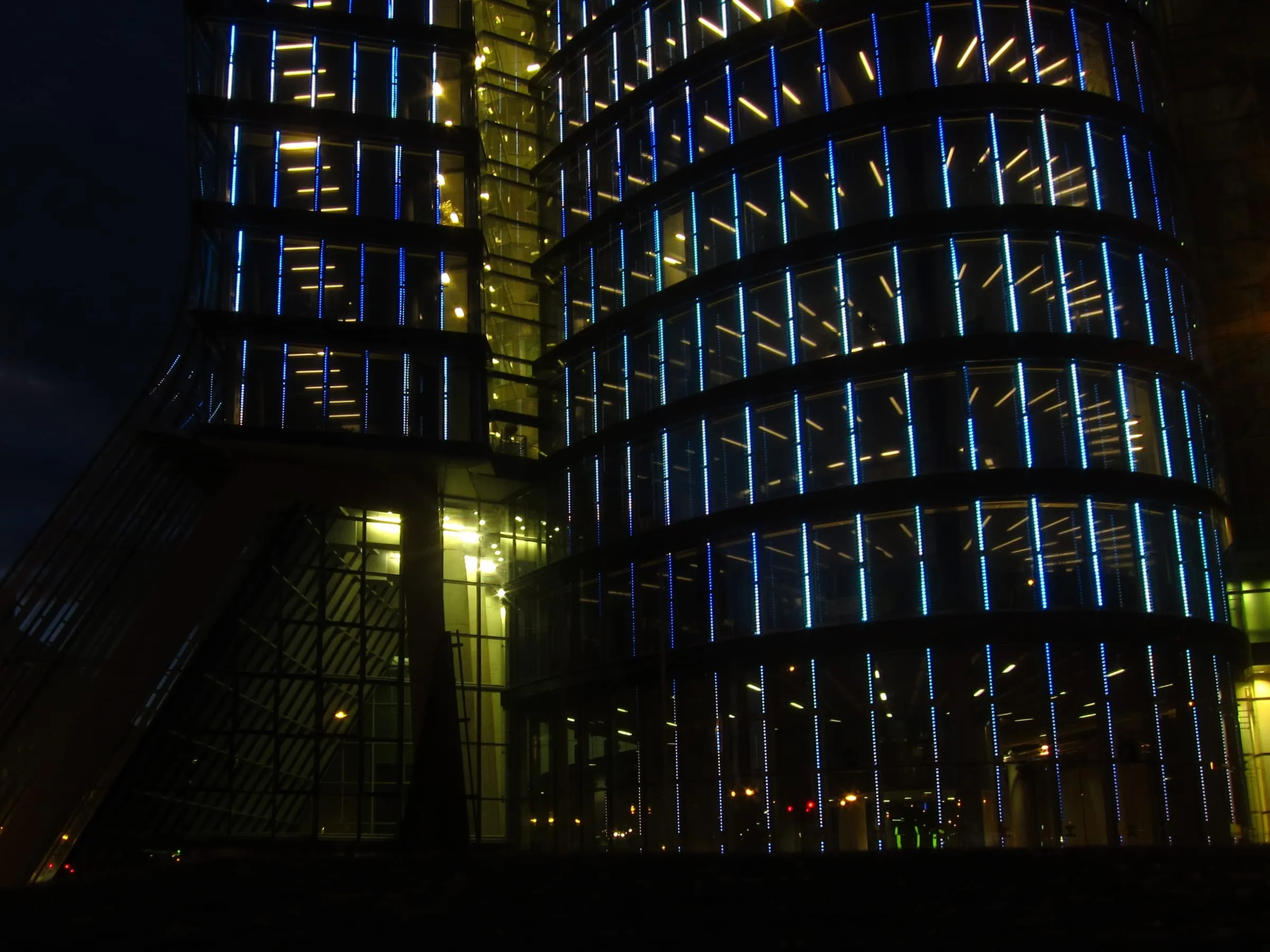
Modern office buildings are built deep, with large floor plates designed to maximise desks rather than windows. Homes need natural light in every bedroom, which means the centre of a deep floor is often unusable. Plumbing is concentrated in a few cores, whereas every flat needs its own kitchen and bathroom. Fire regulations for residential buildings are stricter, and many offices have sealed facades that cannot be fitted with opening windows.
Architects working on early schemes say only about a third of vacant buildings are realistic candidates. Older, narrower blocks from before the 1980s tend to convert well; glass towers from the following decades rarely do.
What the city is offering
The council has approved a package intended to tip marginal projects into viability:
- a fast-track planning route with a decision promised within sixteen weeks;
- a reduction in development levies for conversions that include at least a quarter affordable units;
- flexibility on minimum flat sizes and parking requirements, within national standards.
Developers have welcomed the speed but argue that the affordable housing requirement makes many schemes unviable while construction costs remain high. Housing campaigners counter that, without it, conversions will produce small, expensive flats that do little for those on the waiting list.
We can have fast, cheap or affordable. So far, nobody has managed all three in the same building.
The remark, from a planning officer involved in several applications, captures a trade-off the council has yet to resolve.
The early results
Four conversions are under way, producing around six hundred homes between them. That is meaningful but modest against the scale of the shortage. A fifth scheme collapsed when its developer found asbestos throughout the building, adding an estimated year and several million to the cost.
What happens next
The council will review the package in the spring, with options including deeper levy cuts or direct public investment through its housing company. Office owners, meanwhile, face a choice: convert, refurbish for a shrinking tenant market, or wait for prices to fall further. Many, for now, are waiting.