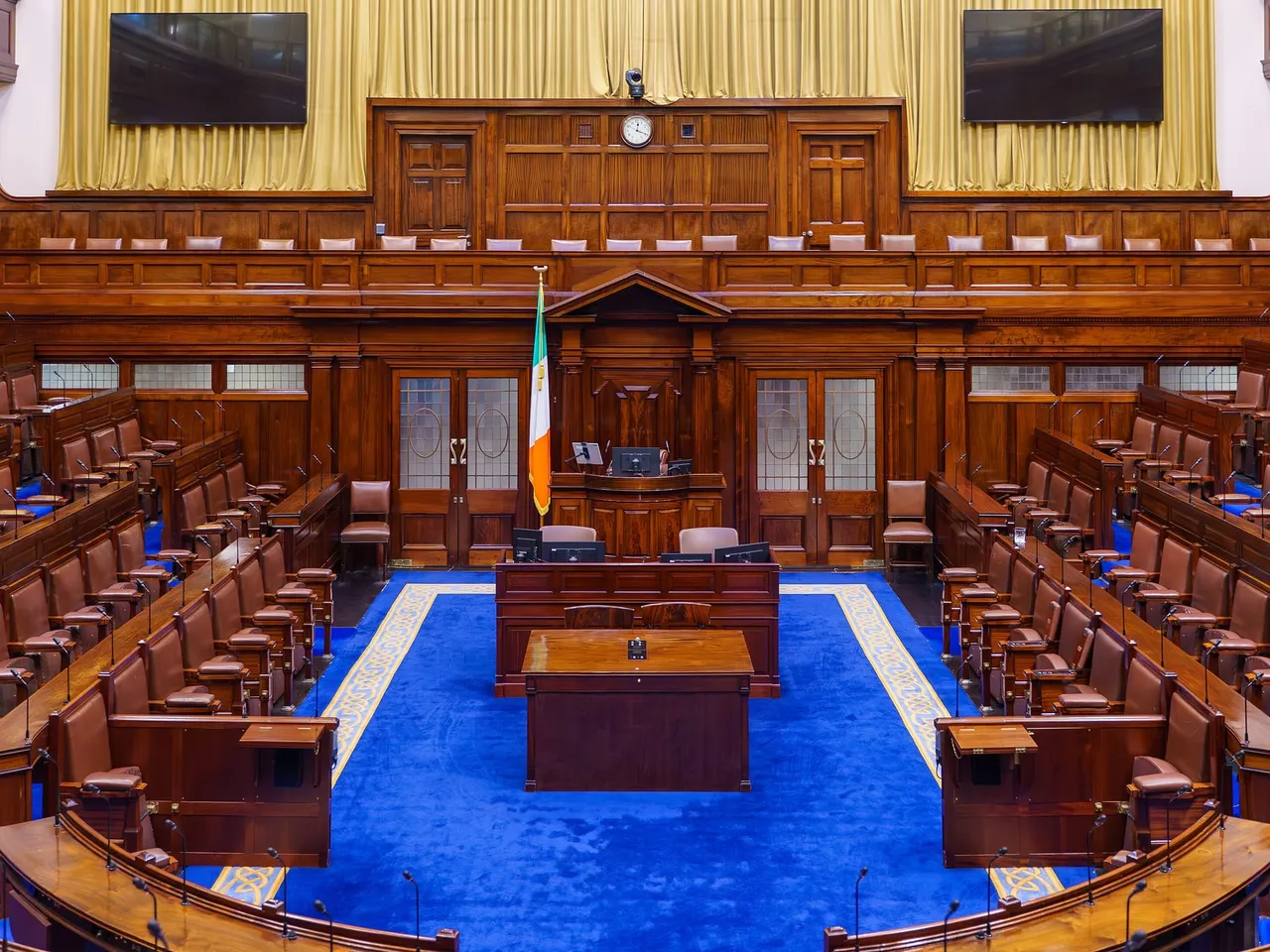




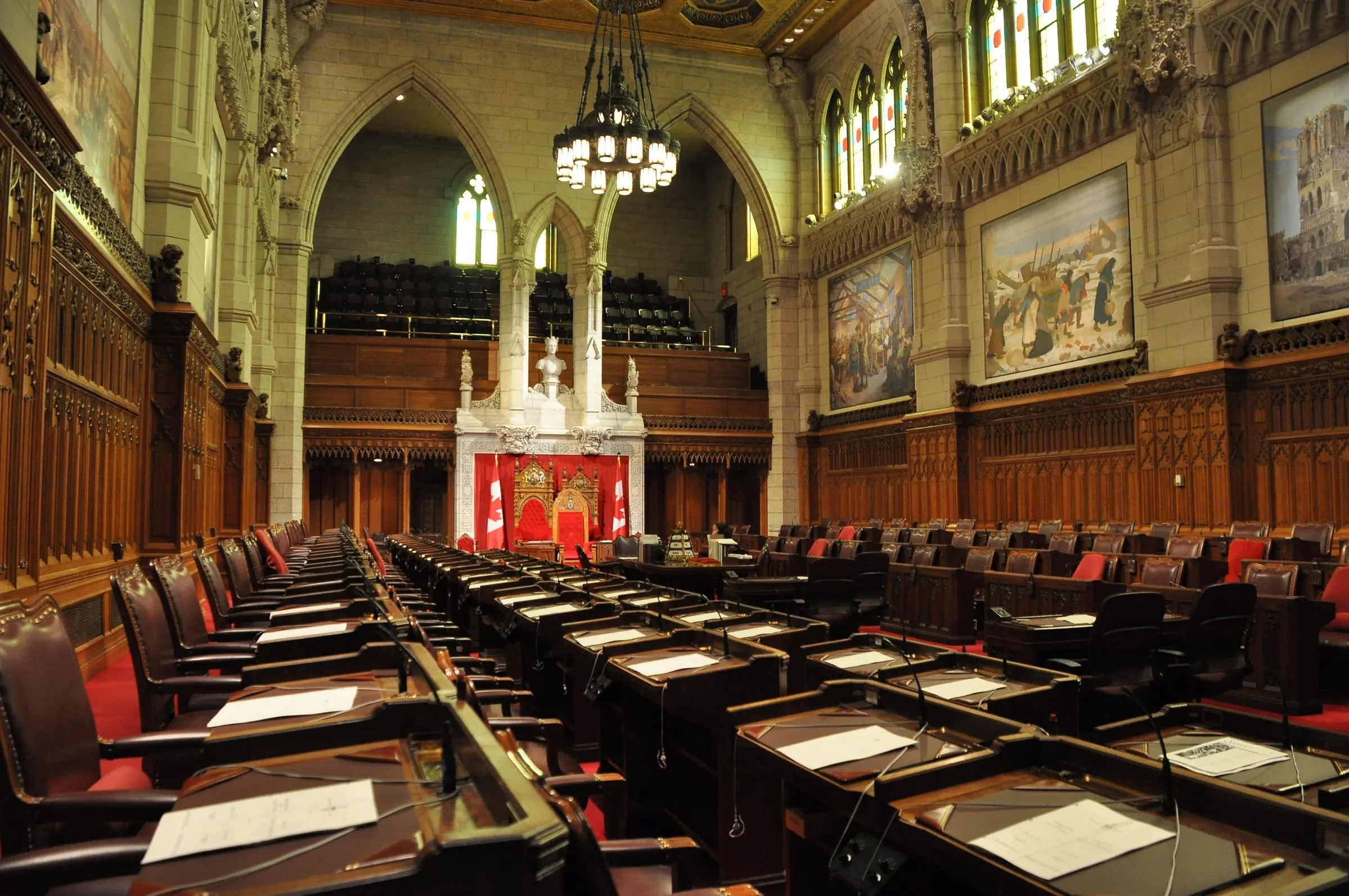
The second chamber was designed as a place for second thoughts. Over the past two years it has become something closer to a wall. Since the last general election, the senate has rejected or indefinitely delayed eleven government bills, including a pensions reform, a planning law and two budget-related measures that the lower house passed with comfortable majorities.
The governing coalition has now tabled its response: a constitutional amendment that would limit the senate’s power to a suspensive veto of one year on most legislation, and remove it entirely on money bills. The difficulty, as every senator is quick to point out, is that the amendment itself needs a two-thirds majority in both chambers.
How the deadlock arose
The two houses are elected on different cycles and under different systems. The lower house uses proportional representation and is renewed every four years; senators are chosen by regional assemblies, half of them every three years. The result is that the senate often reflects the political mood of several years earlier, and at present it is controlled by parties now in opposition.
Supporters of the chamber argue that is the point. Its revisions have improved legislation, they say, and its rejections have usually come on bills that were rushed.
What the reform would change
Under the draft amendment:
- the senate could delay ordinary bills for one year, after which the lower house could pass them again by an absolute majority;
- money bills would become law one month after passing the lower house, with or without senate approval;
- constitutional and electoral laws would keep the existing requirement for agreement in both chambers.
The arithmetic
The coalition has the numbers in the lower house. In the senate, it is roughly twenty votes short. Its strategy rests on persuading regional senators, some of whom are frustrated that bills affecting their own regions have been blocked along national party lines. A coalition negotiator described the pitch as an appeal to self-interest.
We are asking them to give up a power they mostly use against their own voters.
Opposition leaders call the amendment a power grab dressed up as efficiency, and have suggested a compromise: a joint committee to reconcile disputed bills, as several other bicameral systems use, without touching the veto itself.
What happens next
The amendment goes to first reading in the lower house next month. If it fails in the senate, the coalition has said it may seek a referendum, which the constitution allows when the chambers disagree on a constitutional change. Constitutional scholars are divided on whether that route is open for an amendment that concerns the senate’s own powers, a question that would probably end up before the constitutional court.