


Solar mini-grids give rural voters a reason to watch the budget
A government subsidy has brought power to hundreds of off-grid villages, but with the scheme up for renewal, households are tracking budget talks as closely as the weather.

2 min read
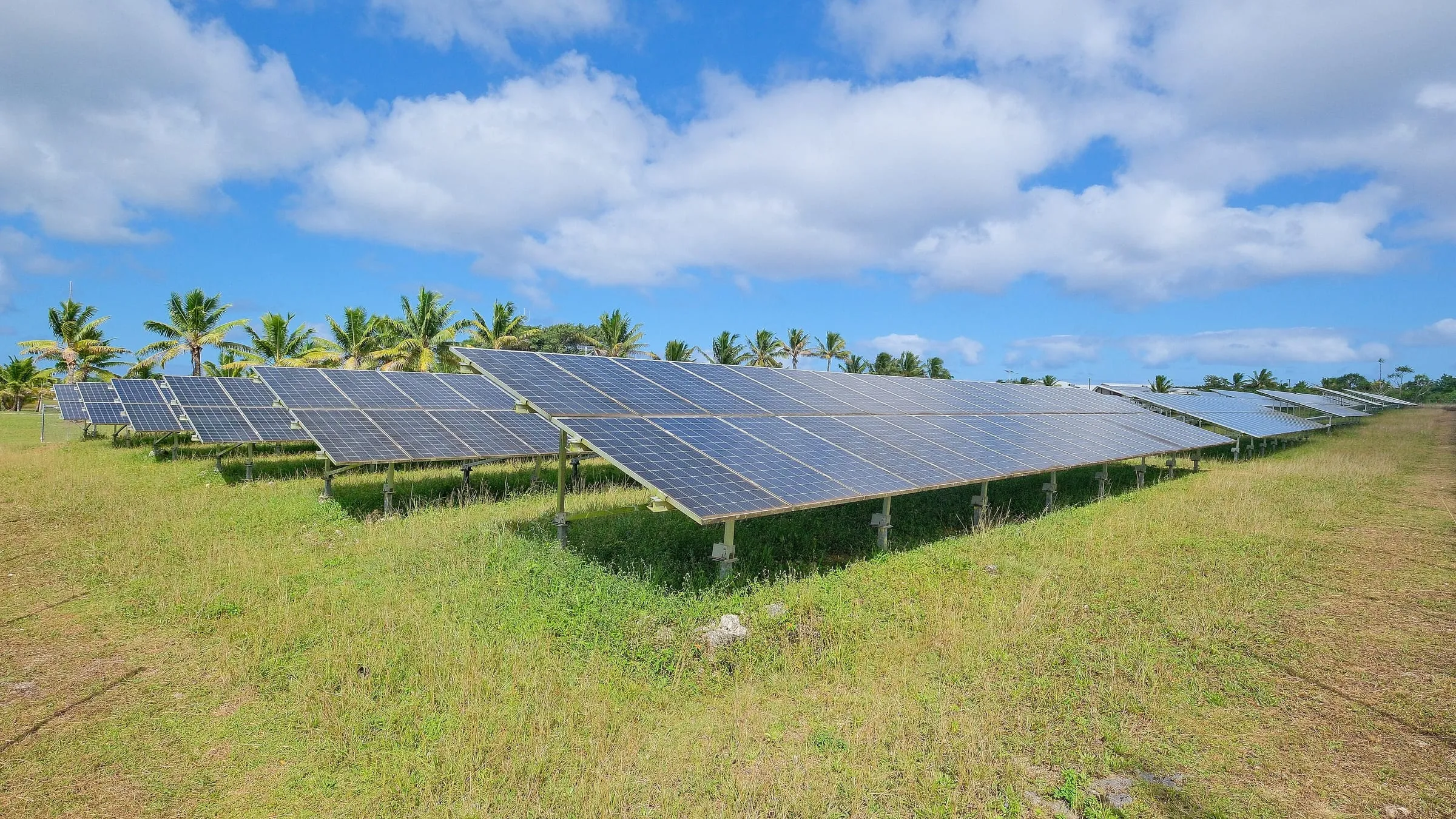
Three years ago, the village at the end of the gravel road ran on kerosene lamps and a single diesel generator owned by the shopkeeper. Today a fenced field of solar panels and a container of batteries supply around four hundred homes, a clinic and a maize mill. Residents pay through mobile money, in small amounts, and the lights stay on most evenings.
The installation is one of roughly six hundred built under a national programme that subsidises private operators to build and run mini-grids where the main network will not reach for a decade or more. The subsidy expires at the end of the fiscal year. Whether it is renewed, and on what terms, is now one of the more closely watched lines in the budget.
How the scheme works
The government pays operators a fixed grant for each new connection, covering about half the capital cost. In return, operators accept a cap on tariffs and must report reliability data to the energy regulator. The model was designed to draw private investment into areas that utilities considered unprofitable.
It has largely worked. Connections have exceeded targets, and the regulator’s data show average supply of more than twenty hours a day across most sites. Small businesses, from tailors to cold-drinks sellers, have followed the power.
Why the budget matters
The finance ministry, under pressure to cut a widening deficit, has floated replacing the grants with concessional loans. Operators say that would push tariffs up by as much as a third, or halt new construction altogether. Opposition parties have seized on the issue, and candidates in rural constituencies have started campaigning on the promise of keeping the lights affordable.
A development analyst who advises several donor agencies described the scheme as a rare case where rural voters can see a budget line working.
People here have never read a finance bill. They know exactly what happens if this one changes.
The questions that remain
Not all the evidence is positive. Some operators have struggled with battery replacement costs, and a handful of sites have closed after disputes over unpaid bills. Critics also point out that subsidised mini-grids may slow the extension of the national grid, leaving villages with a capped but more expensive supply when cheaper power could eventually arrive.
The regulator has proposed rules for what happens when the main grid does reach a mini-grid village, including compensation for operators and a guarantee that customers will not pay more.
What happens next
The budget is due to be presented in six weeks. Officials say a decision on the scheme will be made before then, and that any change will apply only to new connections. In the villages, few are taking that on trust.