

Who is liable when a public robot gets it wrong?
Delivery machines, station guides and hospital couriers are moving into shared spaces faster than the law, leaving injured pedestrians unsure whether to sue the maker, the operator or the city.

2 min read
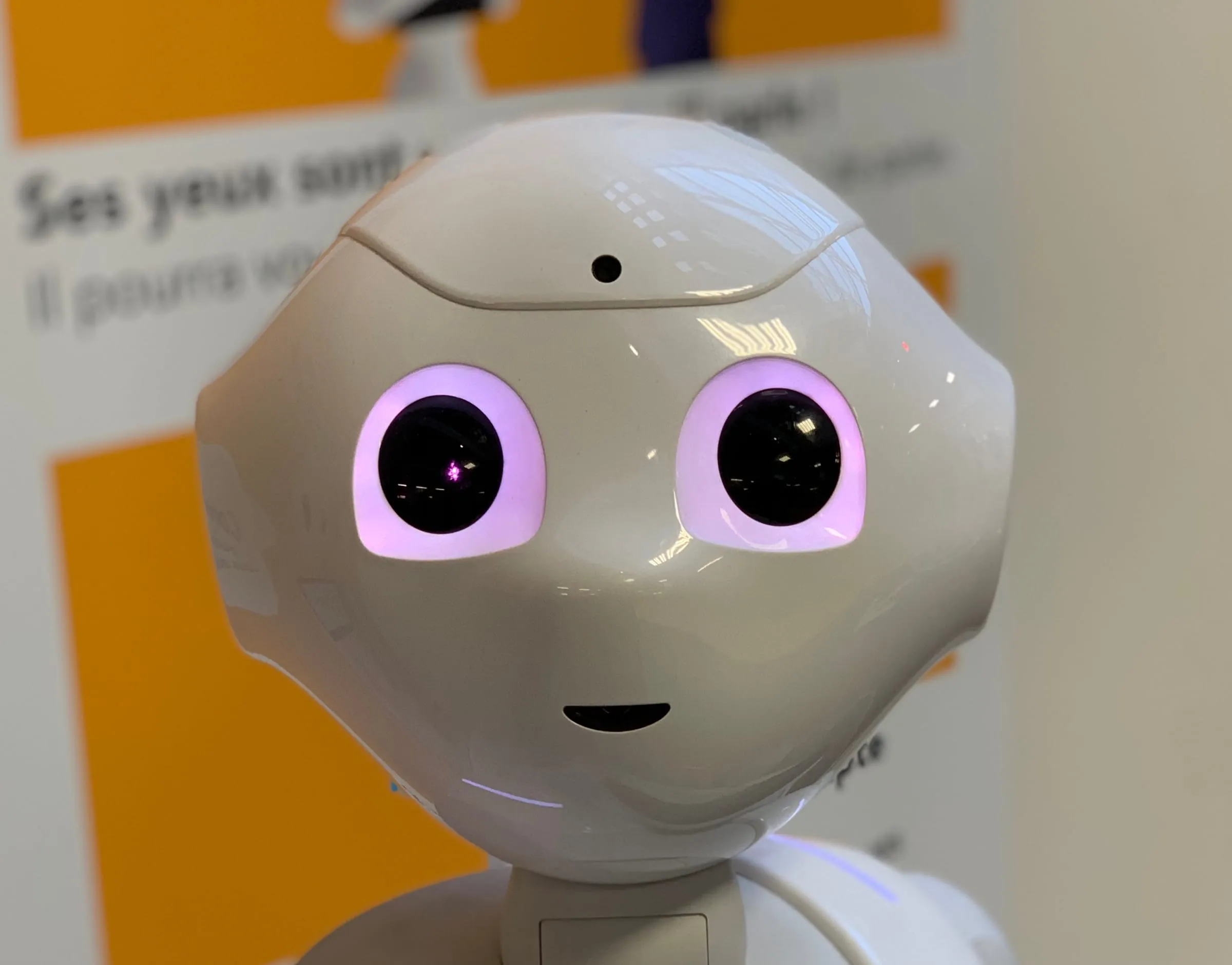
A pedestrian trips over a delivery robot that stopped without warning on a narrow pavement. A station guide gives a traveller the wrong platform and they miss a connection. A hospital courier robot blocks a corridor during an emergency. Each incident is minor, but each raises a question that lawmakers have so far avoided answering: when a machine operating in public causes harm, who is responsible?
Until now, the answer has depended on contracts that most people never see. Manufacturers, software suppliers, the companies that operate the fleets and the authorities that grant permits each tend to point to another link in the chain.
Where the law stands
Existing product liability rules were written for goods that do not change after they are sold. Robots that learn, receive software updates or are controlled remotely fit poorly. Courts have handled a handful of cases by treating the operator as responsible, much as they would a vehicle owner, but rulings vary and few have been tested on appeal.
- Manufacturers are liable for defects present at the point of sale
- Operators are usually liable for how and where machines are deployed
- Permit-granting authorities rarely accept any liability at all
The proposals on the table
Several governments are drafting rules that would place primary responsibility on the operator, backed by compulsory insurance, with the operator free to recover costs from the manufacturer if a defect is proven. The aim is to give injured people one clear party to claim against.
A lawyer advising one transport ministry described the logic simply.
“The person who was hurt should not need an engineering degree to find out whom to sue.”
Industry groups broadly accept compulsory insurance but resist proposals to make logs and sensor data automatically available to claimants. They argue that such data can reveal commercially sensitive design choices; consumer groups reply that without it, no claim can be proven.
The role of cities
Municipal governments are also under pressure. Many have issued permits for robot trials with little more than a speed limit and a requirement to yield to pedestrians. Disability groups have pressed for stricter conditions, including minimum pavement widths and audible warnings, after a series of complaints about machines blocking routes used by wheelchair users.
What happens next
Draft legislation is expected in several countries before the end of the year. The central decisions are whether insurance will be mandatory for every public robot, how much data operators must hand over after an incident, and whether cities that issue permits will share responsibility. The answers will shape how quickly these machines become a normal part of the street.