



Polling day has become polling fortnight. In the first national election held under reforms that opened early voting fourteen days before the count, turnout rose by more than six points to its highest level in twenty years. Almost four in ten ballots were cast before the official election day.
The electoral commission had expected a modest increase. What surprised its analysts was where the votes came from: the largest gains were recorded in rural districts and in urban wards with a high share of shift and night workers, groups that have historically voted least.
How the system worked
Under the new rules, every municipality had to open at least one early voting station, with longer hours on weekends. Libraries, town halls and some railway stations doubled as polling places, and voters could cast a ballot anywhere in their constituency rather than at a single assigned address.
- Fourteen days of early voting, including two full weekends
- At least one station per municipality, more in larger towns
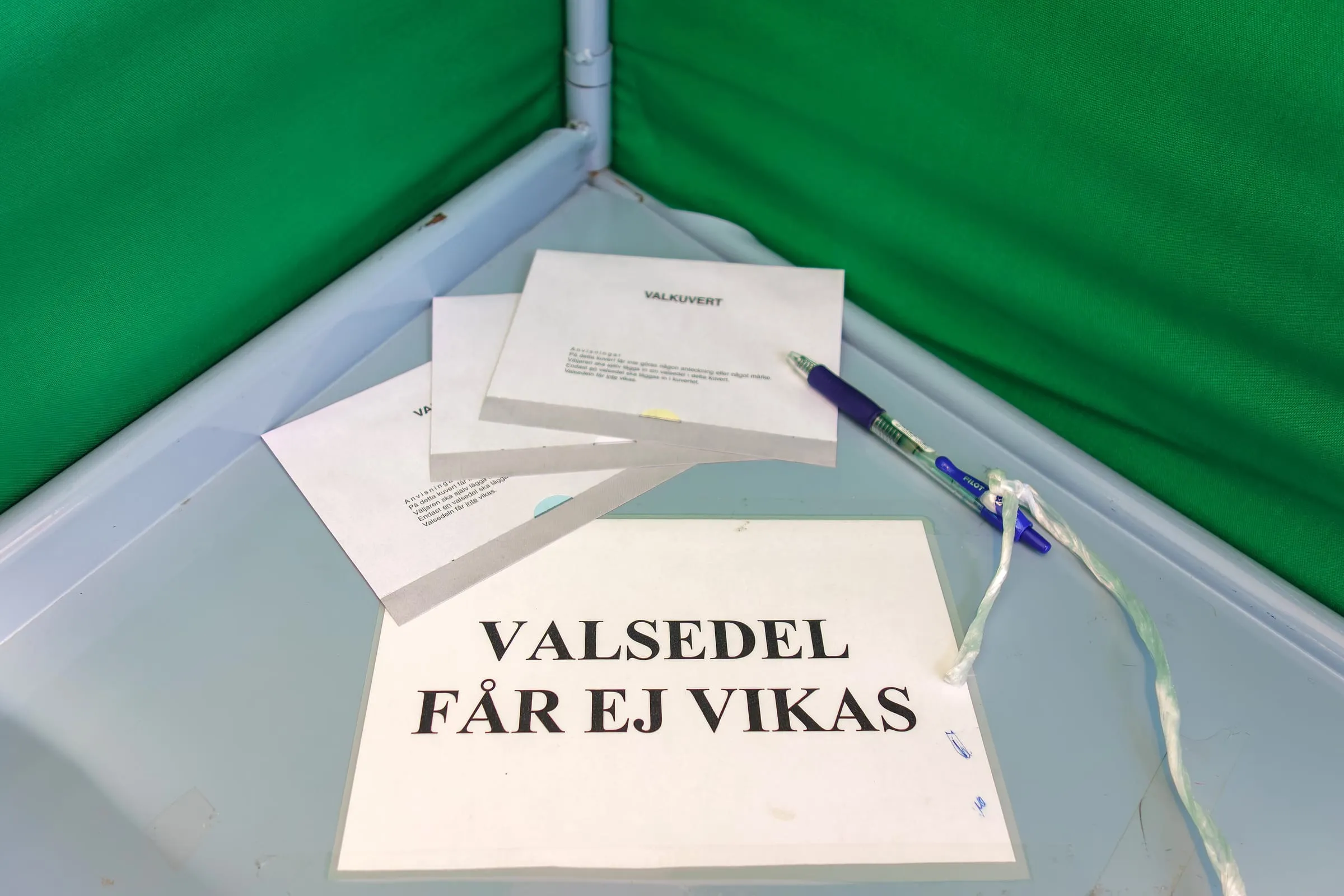
- Ballots sealed in envelopes and counted only on election night
Officials say the decision to delay counting until the formal close of polls was essential to winning support from sceptical parties, who feared that early results might leak and sway late voters.
The objections
Not everyone is persuaded. Opposition parties argued during the reform debate that a long voting window favours incumbents, who can time announcements to land while ballots are being cast. Some campaign managers also complained that their final week of canvassing reached a smaller share of undecided voters than before.
A senior election official, asked about those concerns at the commission’s briefing, kept his answer short.
“Our job is to make voting easy. Campaigns will adapt.”
Security was a smaller issue than feared. The commission recorded no significant breaches of ballot custody, though it acknowledged that staffing two weeks of stations stretched volunteer rosters in several regions.
Who gained
It is too early to say whether the longer window changed the result. The governing coalition and its main rivals both claimed to have benefited, and detailed analysis of the voter rolls will take months. Researchers note that the turnout rise was broad enough that no single party appears to have been the clear winner.
What happens next
Parliament’s electoral committee will review the reform in the autumn. The main proposals on the table are to keep the fourteen days, add mobile stations for care homes and remote areas, and fund municipalities directly for the extra staff. Few now expect a return to a single polling day.