Taipei chipmakers become the new diplomatic calendar
Factory tours and supplier meetings are now part of statecraft as governments compete for reliable semiconductor capacity.
1 min read
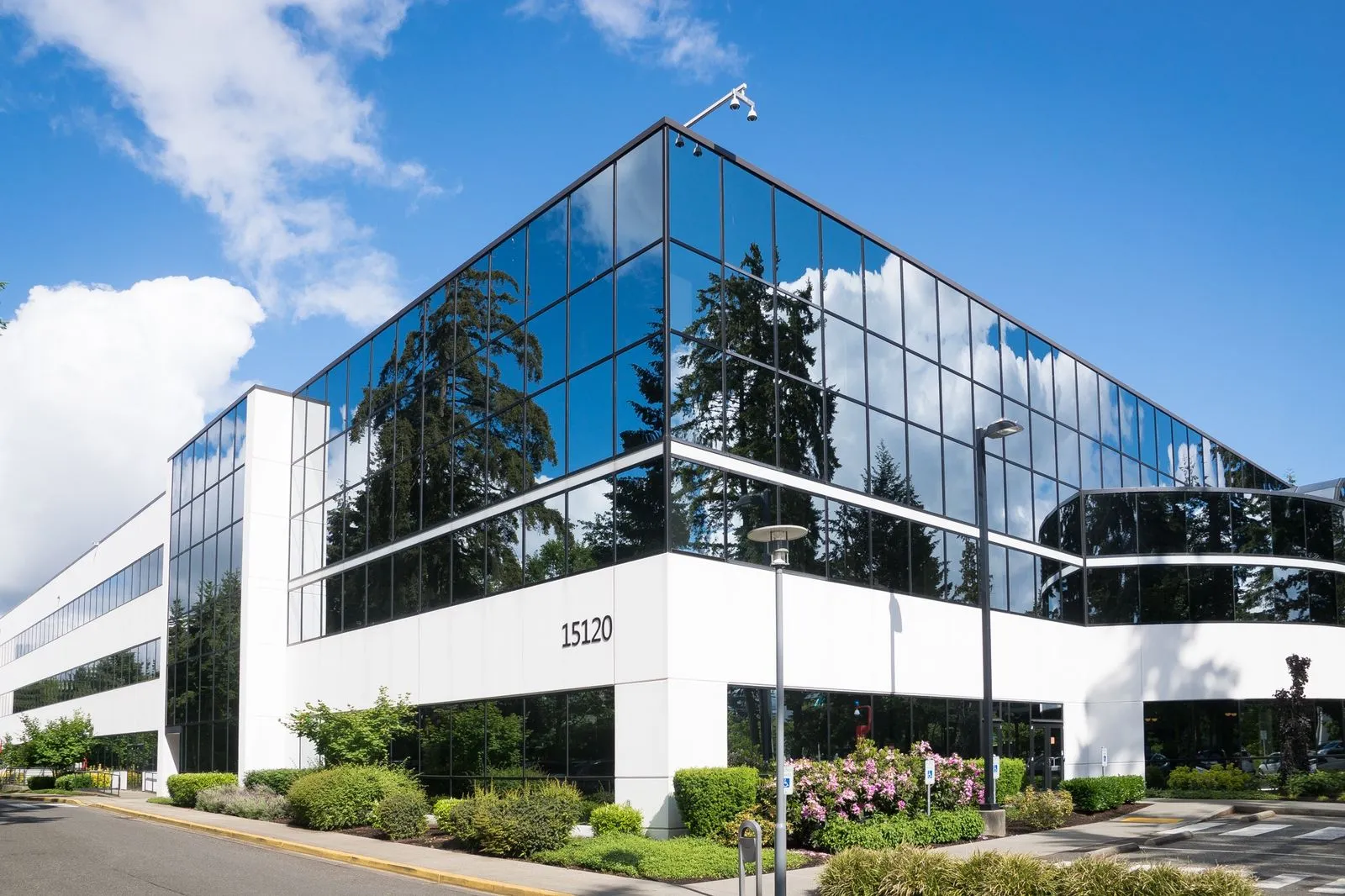
Factory tours and supplier meetings are now part of statecraft, and the diaries of a handful of executives have become a rough index of where industrial policy is heading.
What the calendar shows
Delegations that once went to ministries now go to fabs. The meetings are technical on the agenda and political in substance: capacity commitments, equipment access, and the timing of the next node.
That shift reflects where the decisions actually sit. A government can offer subsidy and land; it cannot offer process expertise, and the constraint on new capacity has been expertise for most of a decade.
The bottleneck moved from capital to people, and the diplomacy followed it.
The staffing question nobody solves with money
A new fab needs several thousand experienced engineers. There is no market from which to hire them at that scale, which is why the plants announced in three countries are running behind their announced timelines regardless of how generous the incentives were.
The workable approaches are slow. Secondment from existing sites, multi-year training pipelines, and partnerships with local universities that take a decade to produce a cohort. None of them fit an announcement cycle.
Supplier depth is the quieter constraint
A fab is the visible part of an ecosystem that includes gas suppliers, chemical handling, precision maintenance, and calibration services. Those firms are small, specialised, and geographically concentrated, and they do not relocate on the strength of one customer.
Several of the new sites are discovering that the supplier base has to be built alongside the plant, which nobody costed and which extends every timeline that assumed otherwise.
What to watch
Watch announced-to-operational intervals rather than announcements. Watch whether secondment programmes are extended or quietly wound down, since they are expensive and their cost lands on the sending site. And watch where the supplier firms actually open, because that is the honest map of where capacity is being built.