Manhattan rooftops become the city's next power plant
A film from the roofs of midtown, where solar arrays, battery rooms, and building codes are quietly rewriting how the grid gets through August.
2 min read
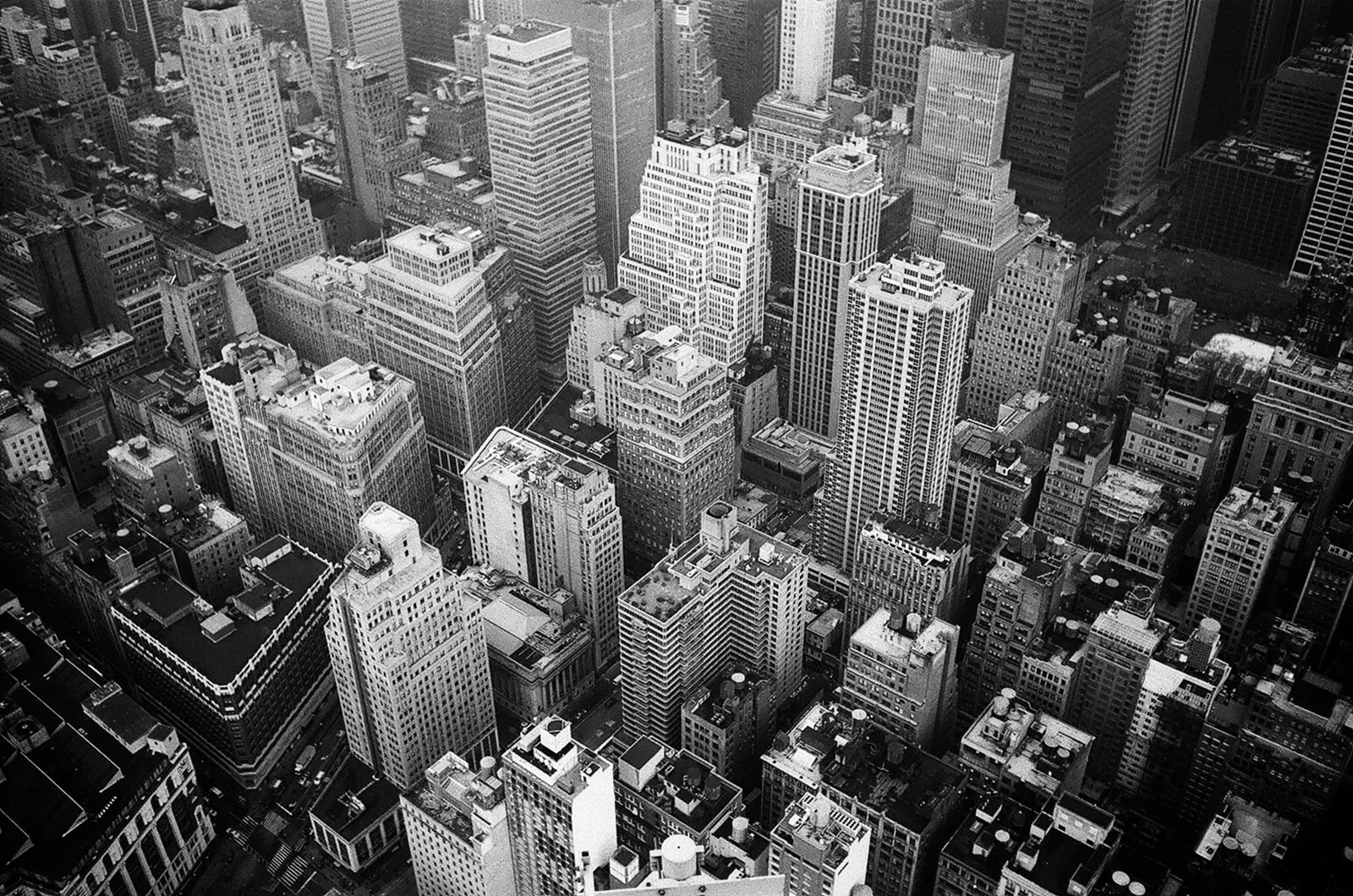
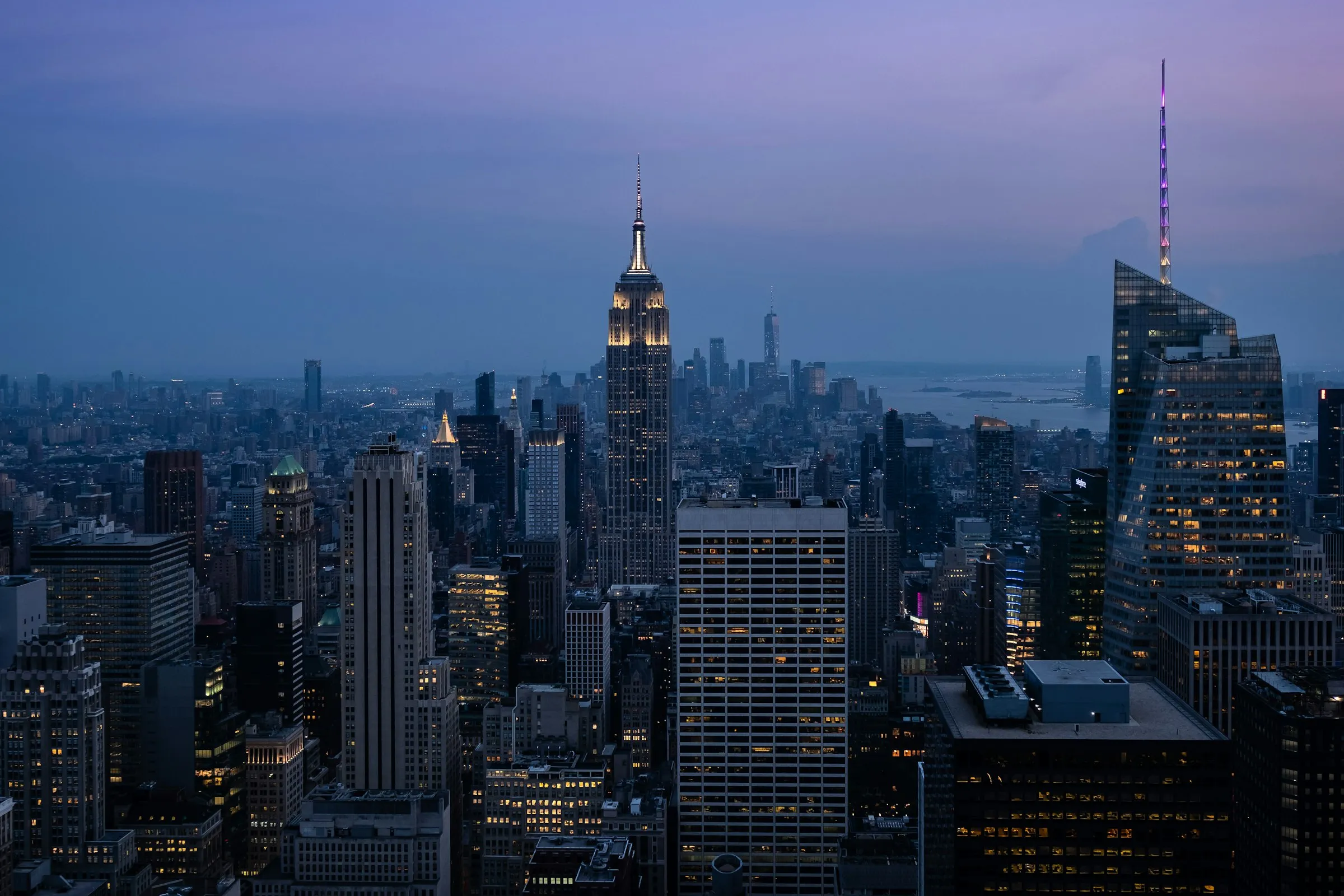
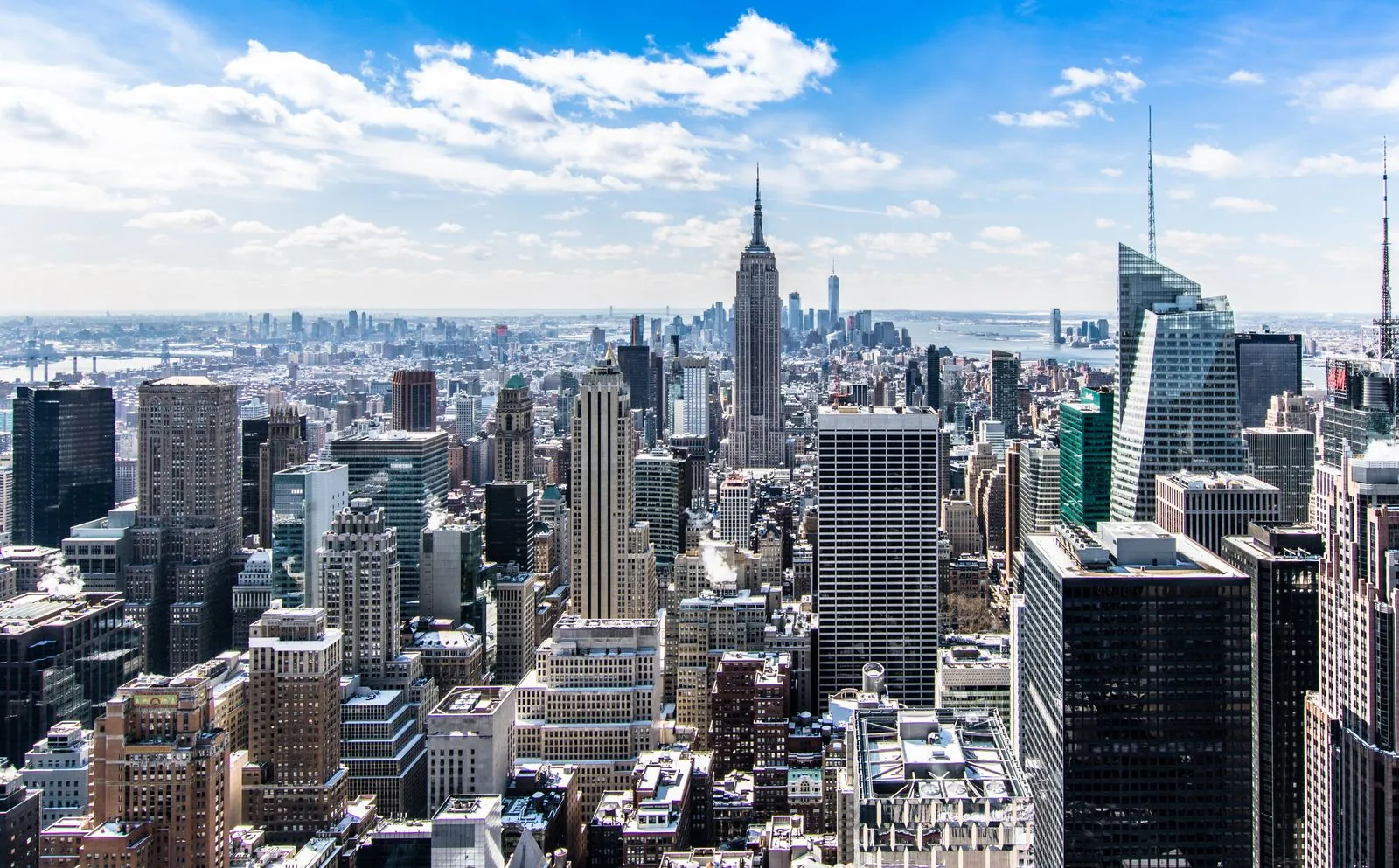
The roofs were always there. What changed is that the utility now pays for what happens on them, and a building’s flat, tar-black acre has become a line on the balance sheet rather than a maintenance problem.
What the film shows
Three buildings, three approaches, three very different sets of arithmetic.
A housing co-operative financed its own array against a decade of avoided energy cost, which required a board vote and a reserve fund the building had spent twenty years arguing about. A commercial tower leased its roof to an operator, taking a smaller return in exchange for no capital outlay and no maintenance obligation. A public school received the whole installation as a capital grant, which means it carries no debt and also no incentive to optimise.
The roof stopped being the top of the building and became the bottom of the grid.
The co-op’s array performs best. The school’s performs worst, and the reason is not equipment: nobody there is responsible for noticing when output drops.
The code question
Weight limits, fire access paths, and setback rules were all written for a roof nobody planned to stand on. A ballasted array adds load; a fire path has to stay clear; a setback assumes nothing is fixed near the parapet.
Rewriting those rules is slower than installing the panels, and it is the part that decides how fast the rest can move. The current code permits roughly a third of the roof area on a typical pre-war building, and most of the exclusion is precautionary rather than structural.
Storage is the harder half
An array that exports at midday and draws at 6pm does little for the peak the grid actually struggles with. Pairing with batteries changes that, and batteries bring their own code fight: fire separation, ventilation, and a set of siting rules that make basement installation difficult in exactly the buildings with the best roofs.
Two of the three buildings in the film wanted storage. One got it.
What to watch
Watch the interconnection queue, which is where enthusiasm meets the utility’s capacity to process paperwork. Watch the share of arrays paired with storage rather than exporting straight to the grid. And watch whether the school’s grant model survives the next budget, because an asset with no owner is an asset nobody maintains.