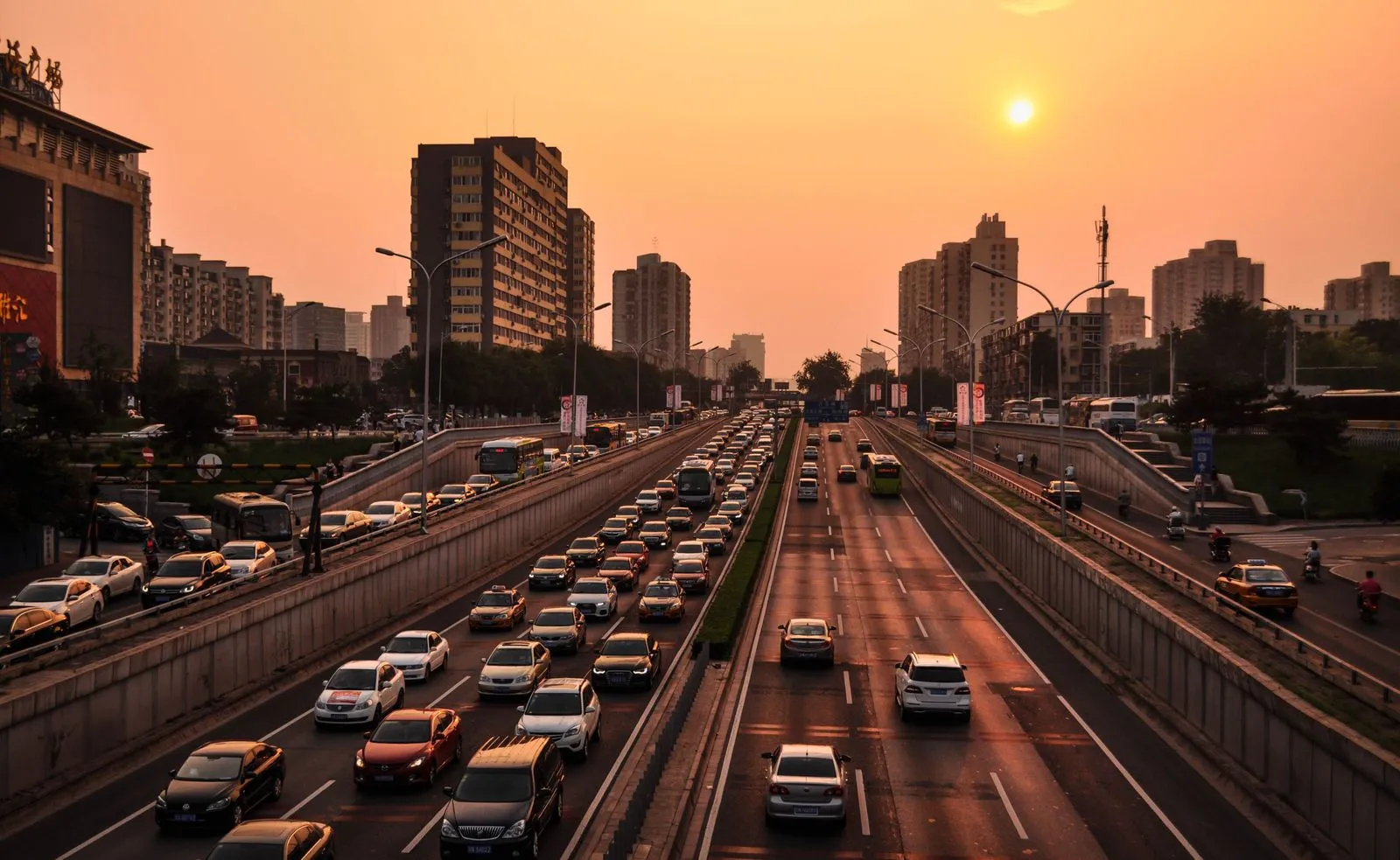
Tokyo opens a busway built for the heat
Shade, drainage, and all-day frequency are shaping a transit project designed around the everyday reality of a warmer city.
1 min read
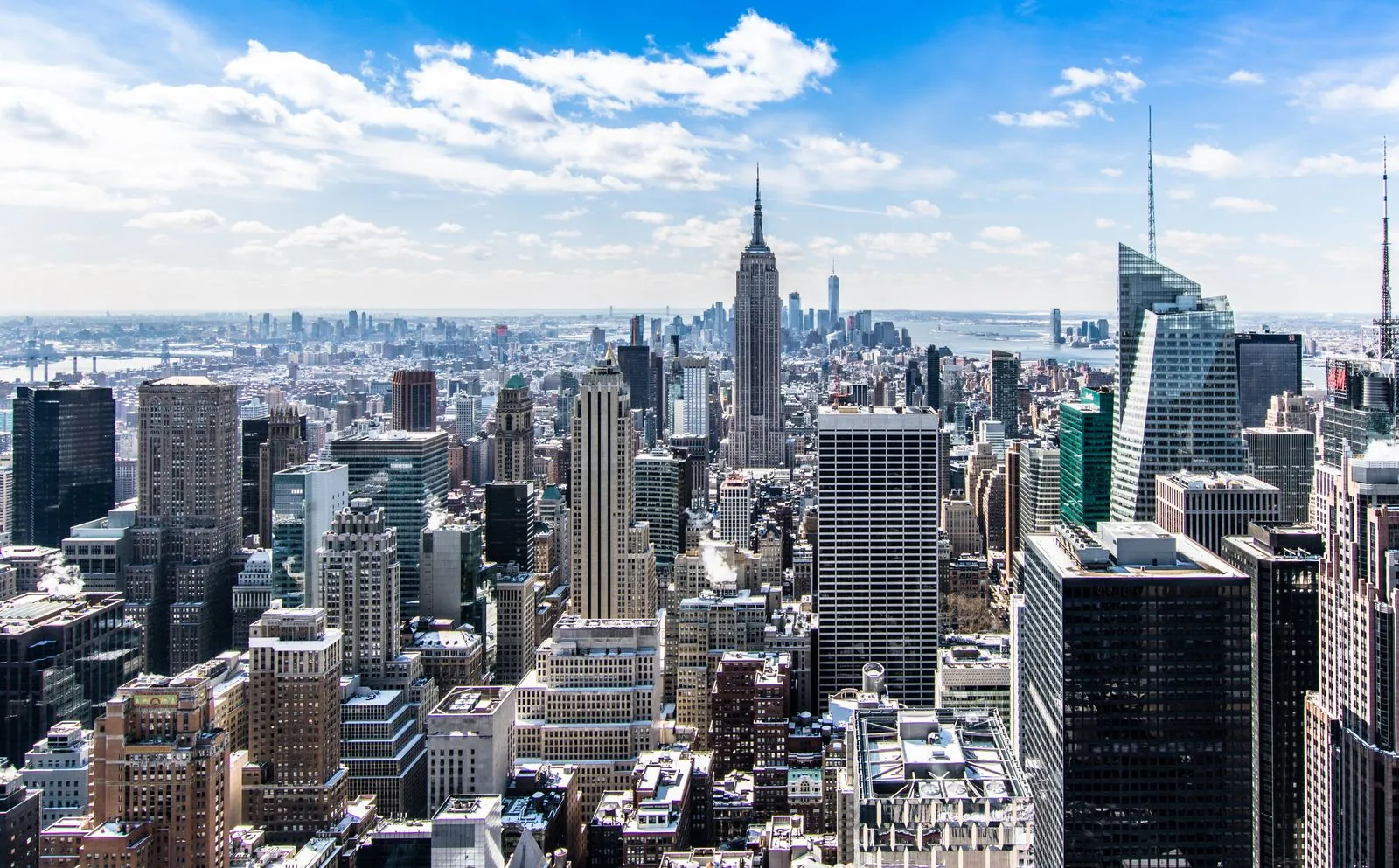
The route is unremarkable on a map. What distinguishes it is that shade, drainage, and stop spacing were designed together rather than added to a finished alignment.
Designing around the wait
The insight that shaped the project is that transit heat exposure is concentrated at the stop, not on the vehicle. A passenger spends a few minutes waiting and those minutes are outdoors, standing, often on a surface radiating the day’s accumulated heat.
So the stops came first. Continuous shade over the waiting area, permeable paving to reduce surface temperature, and seating positioned out of the afternoon sun rather than wherever the shelter footprint allowed.
The vehicle was never the problem. The seven minutes before it arrives were.
Frequency as a heat measure
The second decision follows from the first: the strongest available intervention on exposure is reducing the wait.
That reframed frequency from a service-quality question into a public health one, which changed which budget it could be funded from. A ten-minute headway rather than a twenty-minute one halves the exposure, and it does so on the hottest days without any physical construction.
The corridor now runs an all-day frequency rather than a peak-focused one, and ridership growth has been strongest in the middle of the day.
Drainage, because the same days flood
The rainfall that accompanies the heat season arrives hard and briefly. A busway that floods is a busway that fails on precisely the days its shade is most needed.
Permeable surfacing and oversized gullies were specified together with the shade structures, which is cheaper than retrofitting either and was justified in the business case as one intervention rather than two.
What to watch
Watch midday ridership rather than peak, since that is where the heat case is proven or not. Watch surface temperature at the stops across a summer. And watch whether the all-day frequency survives the first year in which the operating subsidy is reviewed.