London river commute becomes a climate test
New vessels are being measured not only by emissions, but by whether they protect the city's most recognizable daily journey.
2 min read
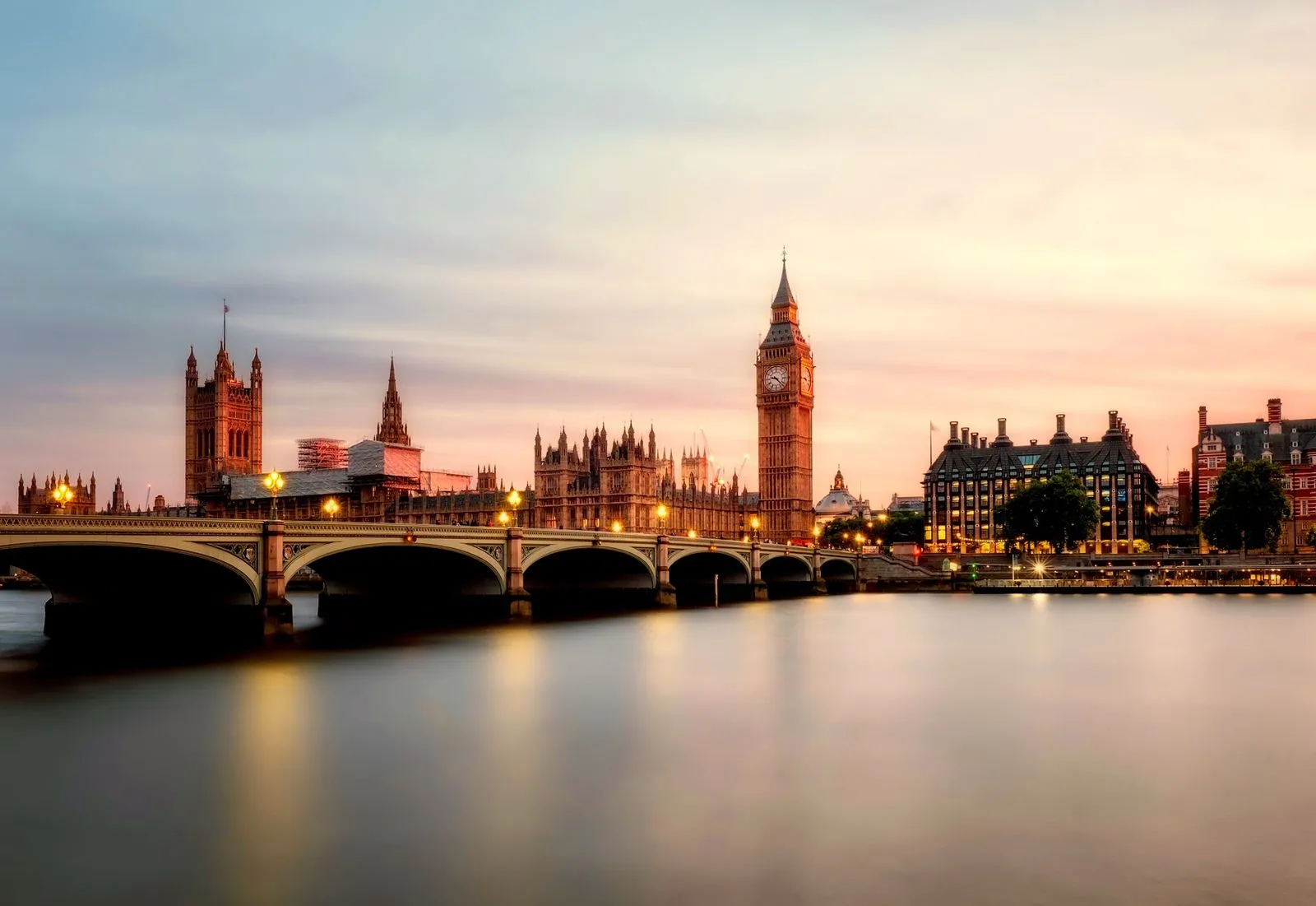
The river service was a novelty for a decade and is now, on three routes, a scheduled part of the commute. What changed is not the boats. It is that the alternatives got less reliable in heat.
Why the river became relevant
Rail infrastructure has hard temperature limits. Above a threshold, speed restrictions apply, and the days on which they apply have moved from exceptional to annual.
The river has no equivalent constraint. Its limits are tidal and occasionally about wind, and neither correlates with the days that stop the trains. That non-correlation is the whole operational case: a mode that fails on different days is worth more than a mode that is slightly better on average.
Redundancy is not a spare copy. It is a failure mode that does not overlap.
The capacity ceiling
The service cannot absorb much. Pier capacity, not vessel capacity, is the binding constraint — a pier can turn around a boat every few minutes, and the piers on the busiest stretch are already close to that.
Expanding a pier is a planning process measured in years and a foreshore consent nobody wants to be the first to test. So the near-term work is scheduling: shifting departures to spread arrivals, and holding a reserve of capacity for the days the railway is restricted.
Holding reserve capacity is expensive and invisible until it is needed, which makes it exactly the kind of provision that gets optimised away in a review.
Emissions, honestly
The service is not clean. Diesel vessels on a short urban route are worse per passenger-kilometre than the electrified rail they are backing up, and the operator has stopped claiming otherwise.
The trials that matter are the hybrid and battery-electric vessels on the shorter routes, where charging at the turnaround is feasible. On the longer runs the energy density is not there yet, and the honest position — which took some time to arrive at publicly — is that those routes will burn diesel for a while.
What to watch
Watch how often the river service is actually used as railway relief rather than as a commute in its own right. Watch the pier turnaround times as the binding number. And watch whether the reserve capacity survives its first full year without a heat event.